Eight in the evening
At six, Otto has dinner. At seven he switches on the portable radio — NRK P1 for the news, P2 when there's classical music or a documentary — and leaves it at the lowest volume. At eight he sits by the living-room window. The window is open. Yes, in March. Yes, in Tromsø. Yes, at fifteen below. And he listens. The wind on the facade of the seventies wooden building. The sea out past Kvaløya. The footsteps of the upstairs neighbor, already turning in at that hour. Sometimes a car on the road. Sometimes nothing.
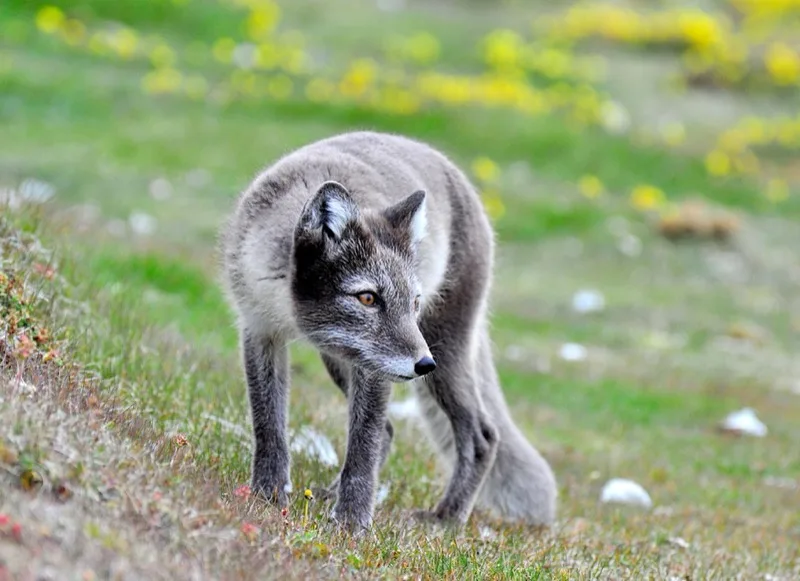
A cup of coffee between his hands. Alone. Always alone. By that hour he's already put in eight hours in a cold-storage room sorting fish, gone down to the basement to check the seed store, walked a while if it was a movement day, and made dinner with what he left ready the night before. The coffee isn't to wake him up: it's to have something warm between his hands while his body winds down. The arctic fox sleeps wrapping its face and paws in its own tail. Otto gets into bed at nine, pulls a gray wool blanket he's had since Hammerfest up over his head, and hugs his knees.
The open window at night is his version of what others get from meditating, running, or looking at their phone. It isn't discipline. It's need. The hypersensitive hearing that lets him catch a conveyor belt about to fail needs this too: a stretch of sounds that ask nothing of him. The sea asks nothing. Neither does the wind.


