What he carries
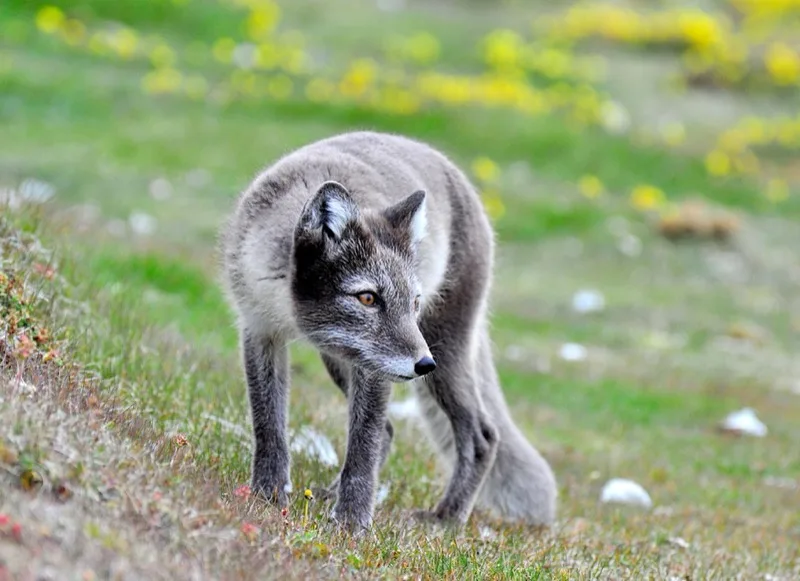
Otto always has food on him. Nuts in his coat pockets, a container with whatever he made the night before, canned goods in a bag when he heads to the basement where he keeps the seed store. He doesn't leave the house without something to eat. If you asked him why, he couldn't explain it. But it's instinct: the arctic fox caches up to ninety percent of the food it collects, spreading it across hundreds of hiding spots all over the tundra. Otto doesn't use the tundra. He uses the fridge (always full), the pantry (also full), his pockets (nuts), and whatever bag he has on hand.
There's a scene that sums it up. A coworker at the fish processing plant threw half a sandwich in the trash. Otto said nothing. The next day, a container with two portions of soup appeared in the break room fridge, no name, no note. It wasn't a message. It was a response. That's how Otto cares: through practical acts, no announcement. Food in someone else's fridge. Fixing something broken without saying a word. Being close without talking.
The tote bag isn't a backpack or a purse: it's a bag. Over the shoulder, open at the top, you put in what needs to go in. For shopping at the Kvaløya supermarket — Otto always buys the same things: oats, peanut butter, coffee, rye bread, whatever vegetables are on sale — for carrying glass jars to the basement, for fitting a book or notebook if he goes out walking.


