Fifteen seconds under a streetlight
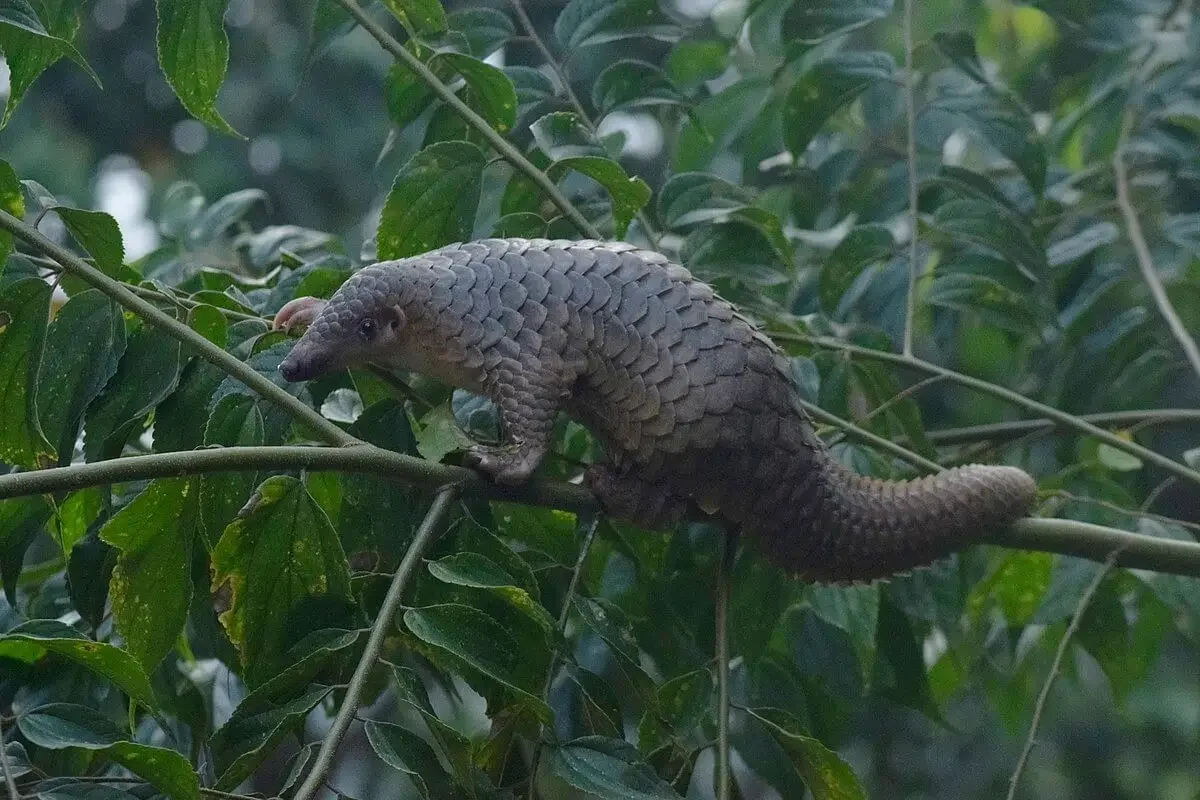
They were walking back from the hawker centre through Toa Payoh Town Park, already dark, when Nur stopped dead. He was five. He pointed with a closed fist, without a word, and it took Aminah a moment to see what he was already staring at: at the base of a tree, under a streetlight, a pangolin was crossing the path. Wild. One of the few left in the city. They looked at each other. Fifteen seconds, maybe less, the boy and the animal both still, and then the undergrowth swallowed it without a sound. Aminah never got to see its tail.
Nur didn't sleep that night. Not out of fear — he stayed awake the way he always stays awake, looking out the window, but with something turning over inside him. The next day, on a sheet of paper, he drew a pangolin for the first time. Crooked, with too many scales, but a pangolin.
Years later, if he ever tells it, he tells it like this: "There was another one. Like me." And that's it. He doesn't explain what he meant and no one asks him to. His kind are few and growing scarcer, more scattered every year, though he still doesn't have the words for it. That night he knew it for fifteen seconds and then forgot, which is how five-year-olds know things.