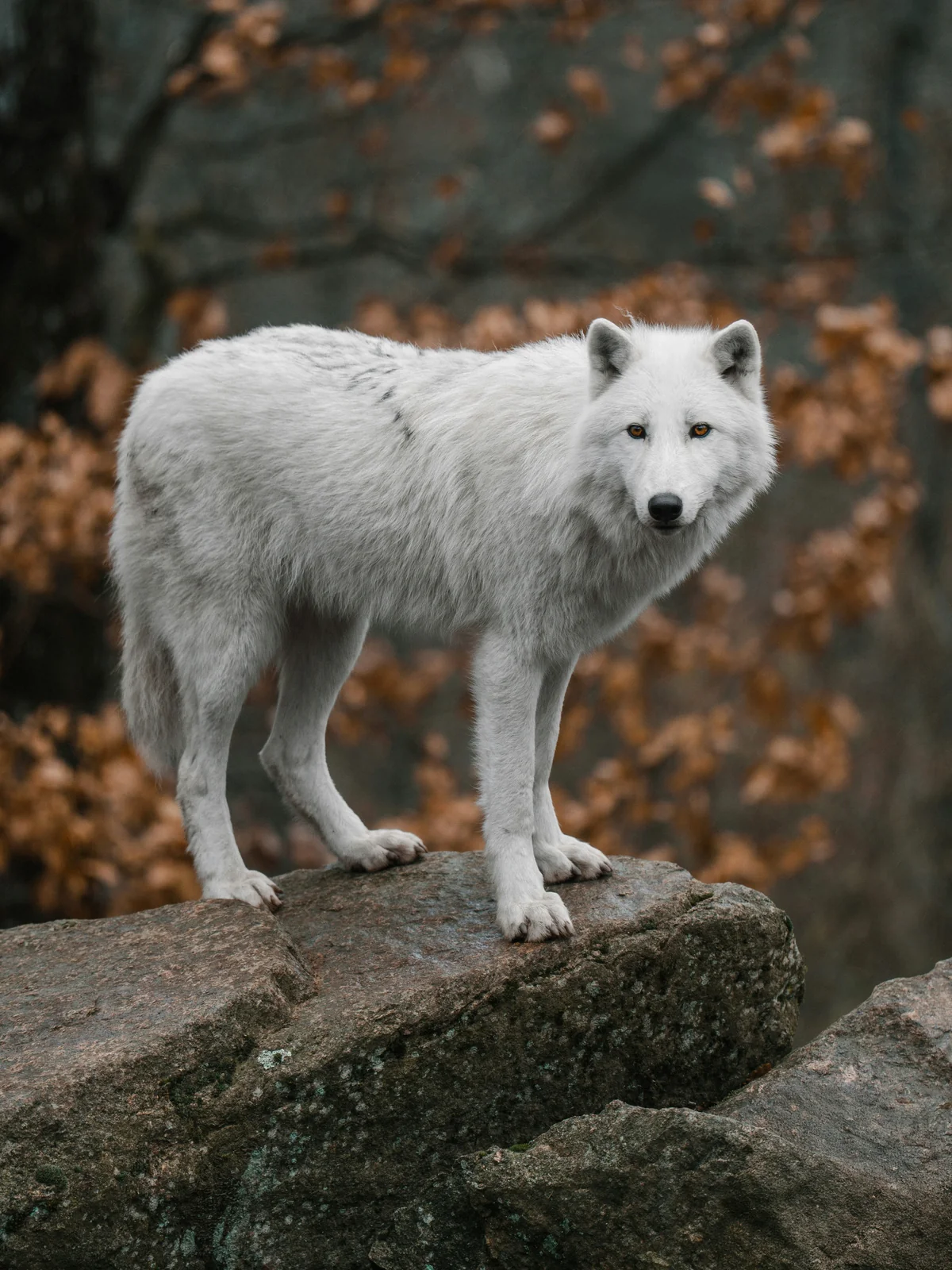
Fifteen seconds
Benjamin communicates with short voice messages. Fifteen seconds, functional. "I'm in Eureka. All good. Back Thursday." His mother Siku got used to that format. It's not coldness: it's that words weigh something to him and he doesn't like wasting them. If he calls and talks for more than a minute, something's wrong. She knows it. So does the pilot — his closest friend in Iqaluit, the first person to understand that Benjamin's silence isn't distance, it's just how he's present.
With [Otto](https://www.yagopartal.com/animal-kinhood/otto/), an arctic fox who lives in Tromsø and works maintaining weather stations on the other side of the Atlantic, communication works the same way. They met on an online forum for technicians. Benjamin gave him advice on anemometer calibration. Otto sent a tin of Norwegian smoked cod by post. They met once in Helsinki, at a polar meteorology conference. Had dinner together. Didn't talk much. Didn't need to. Now they send each other voice messages every two or three weeks. Sometimes photos of extreme weather conditions, no text. Otto once sent a two-minute audio describing a storm with live wind sounds in the background. Benjamin listened to it twice, smiled, and recorded: "Same here but without the sea."
He chews ice when he thinks. Not nervousness — it's a mechanical habit that helps him organize ideas while calibrating sensors or downloading climate data in a prefab hut hundreds of kilometers from any road.


