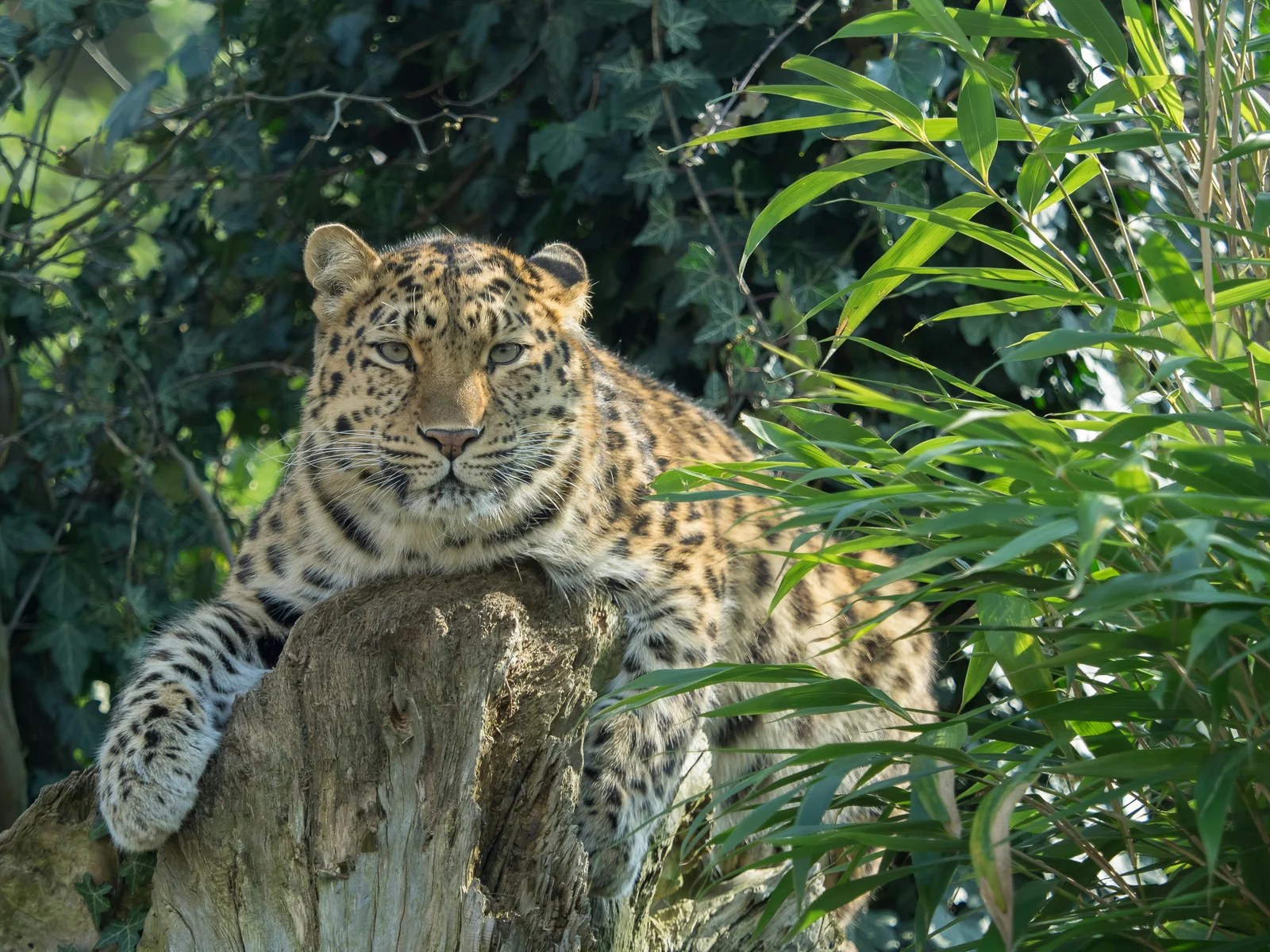
Minus twenty-four
Jeong, Amur leopard, takes the drone out of its case while there's still half an hour before the sky begins to lighten. The battery has spent the night inside the sleeping bag because below five degrees it stops working. He checks the charge three times in a row — he did it last night, he does it now, he'll do it tomorrow — and the drone lifts off from a clearing between cedar trees while he stands there with the controller and the thermal screen, the thermos between his feet and the aviator helmet pulled down to his ears.
The air smells of cedar resin and packed snow. The trees make no sound. Neither does he.
He's twenty-one. He's spent three years flying environmental surveillance drones for the monitoring program at Land of the Leopard National Park. He started at eighteen, after a pilot's course he took at seventeen with the idea that flying things could be good for more than crashing them into antennas. The flight routes he designed after finding his first poaching trap — a wire snare on a wildlife trail, fresh blood on the metal, at nineteen — ended up becoming the team's standard protocol. Nobody gave him official credit. The veteran rangers know whose routes they are. They call him Ghost, because he shows up and disappears without warning and people startle when they turn around and realize he's been sitting at the next table for five minutes.


