The hallway wardrobe
Halmoni Soo-yeon kept the grandfather's things there. The brown leather aviator helmet, the pilot goggles, three photographs, and a Soviet agricultural flight certificate with edges browned by damp. Jeong's grandfather, Amur leopard, flew light planes to dust wheat fields in the Russian Far East. Two hundred meters of altitude. He didn't go to any war. He went to a wheat field and didn't come back.
Halmoni was koryo-saram — the ethnic Korean community of the Russian Far East, descendants of those deported by Stalin in 1937 — and she kept those things the way you keep things that matter: in a box, in a wardrobe, without saying much. When she cooked she spoke Korean. She taught Jeong to make kimchi before he could read Cyrillic, to walk through the forest without making a sound, to chop firewood without wasting a stroke, to smell the wind before choosing a path.
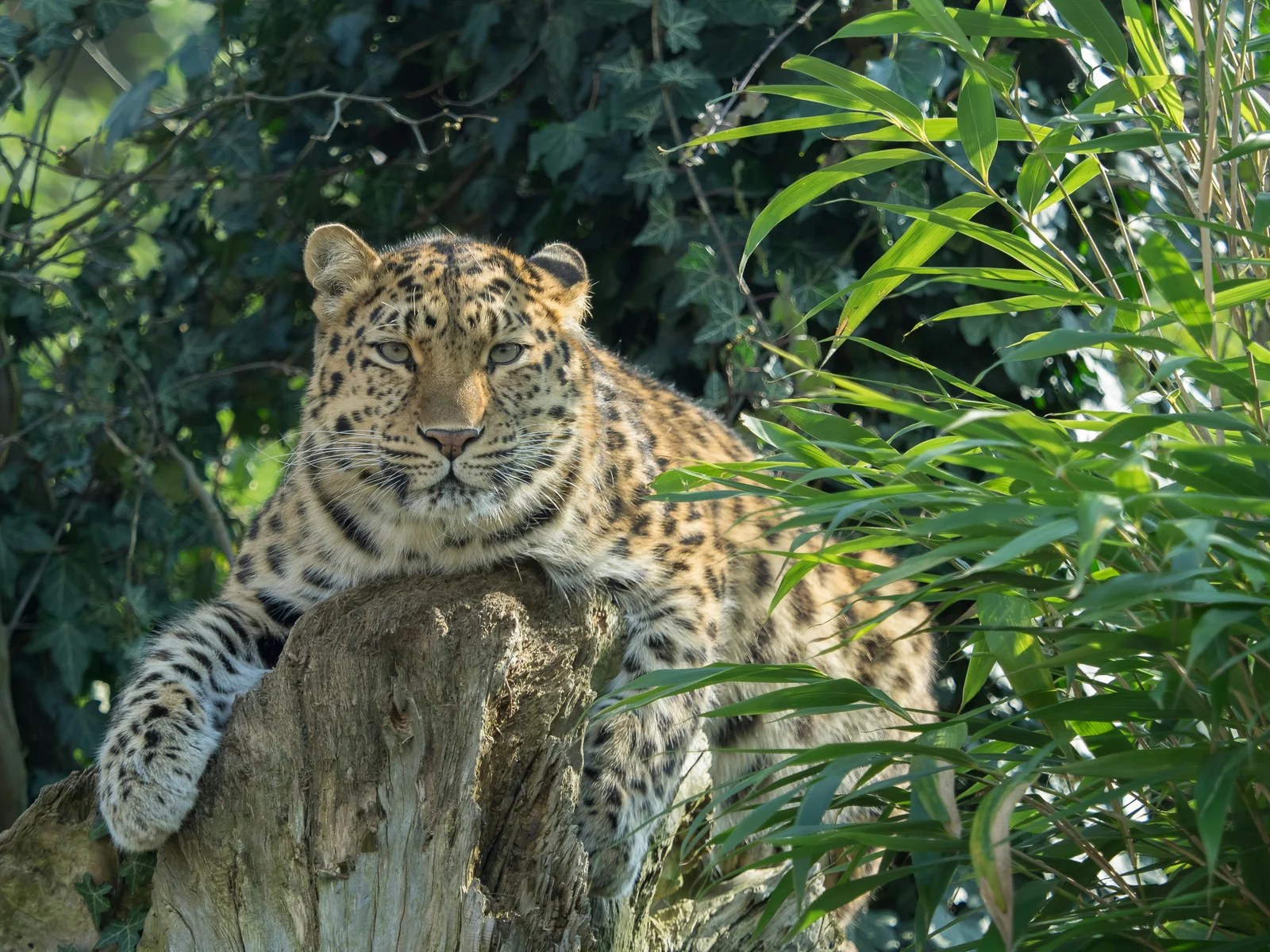
One summer afternoon, when Jeong was seven, they were walking through the birch forest near the village and his grandmother stopped. Fresh tracks in the snow. Leopard. Large, deep, edges still sharp. She made him crouch down and follow the trail with his eyes until it disappeared among the birch trees. They didn't see the animal. But Jeong has never forgotten the feeling of knowing that something enormous, silent, and smarter than you is fifteen meters away, watching.


