Fifty kilometers of forest
The transboundary ecological corridor is Jeong's technical obsession. Amur leopard territories span between fifty and two hundred square kilometers, and the plan is to connect the Russian population with the Chinese one through a strip of viable forest. The idea sounds simple. The execution is something else: topographic maps taped to the wall, coordinates penciled into a notebook that runs out of pages every three months, flight data cross-referenced against camera trap censuses. Nobody will finish that map this year or the next. Jeong isn't in a hurry with this. He has a method, and the method works when it's repeated without skipping a single day in the field.
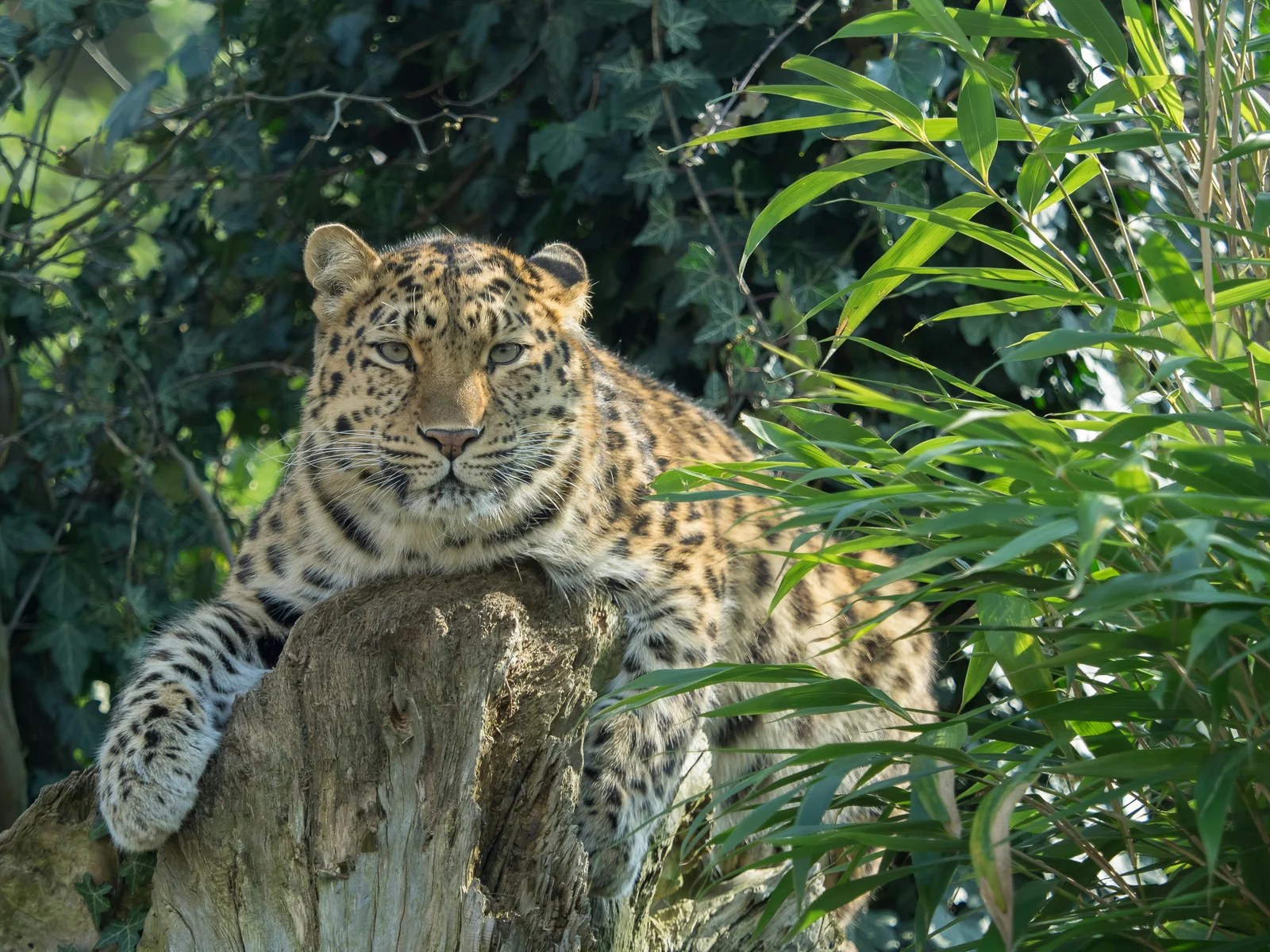
The one hundred and thirty Amur leopards left in the wild depend on people who go into the forest at minus twenty-four and come back with data. Nineteen individuals in 2007. One hundred and thirty in 2024. That's the story of Land of the Leopard National Park, and every drone flight day adds another line to the transboundary plan that could define the coming decades for the species. Jeong carries that in the backpack and in his head. Literally: the folded drone, two spare batteries wrapped in socks so they don't get cold, a multimeter, the notebook, and the thermos of black coffee that makes the difference between a manageable shift and one that drags.


