What you carry
Ayana leaves Niamey for Kouré several times a month. Sixty kilometers by moto-taxi, the last stretches on unpaved roads. She carries a backpack with just enough: the Zoom H5 recorder, field notebooks, spare pens, extra batteries, memory cards. Nothing more than necessary. Every gram counts when you're on a two-stroke motorbike along red dirt roads and the trip takes an hour and a half if there are no detours or road closures.
The equipment is simple. The recorder is reliable and portable. The notebooks are for context: who's speaking, where, at what time, what was said before switching the recorder on and what was said after switching it off. Spare pens because the Sahel heat dries them faster than normal. No tripods, no video cameras, no heavy gear. What Ayana records are voices, and voices weigh almost nothing.
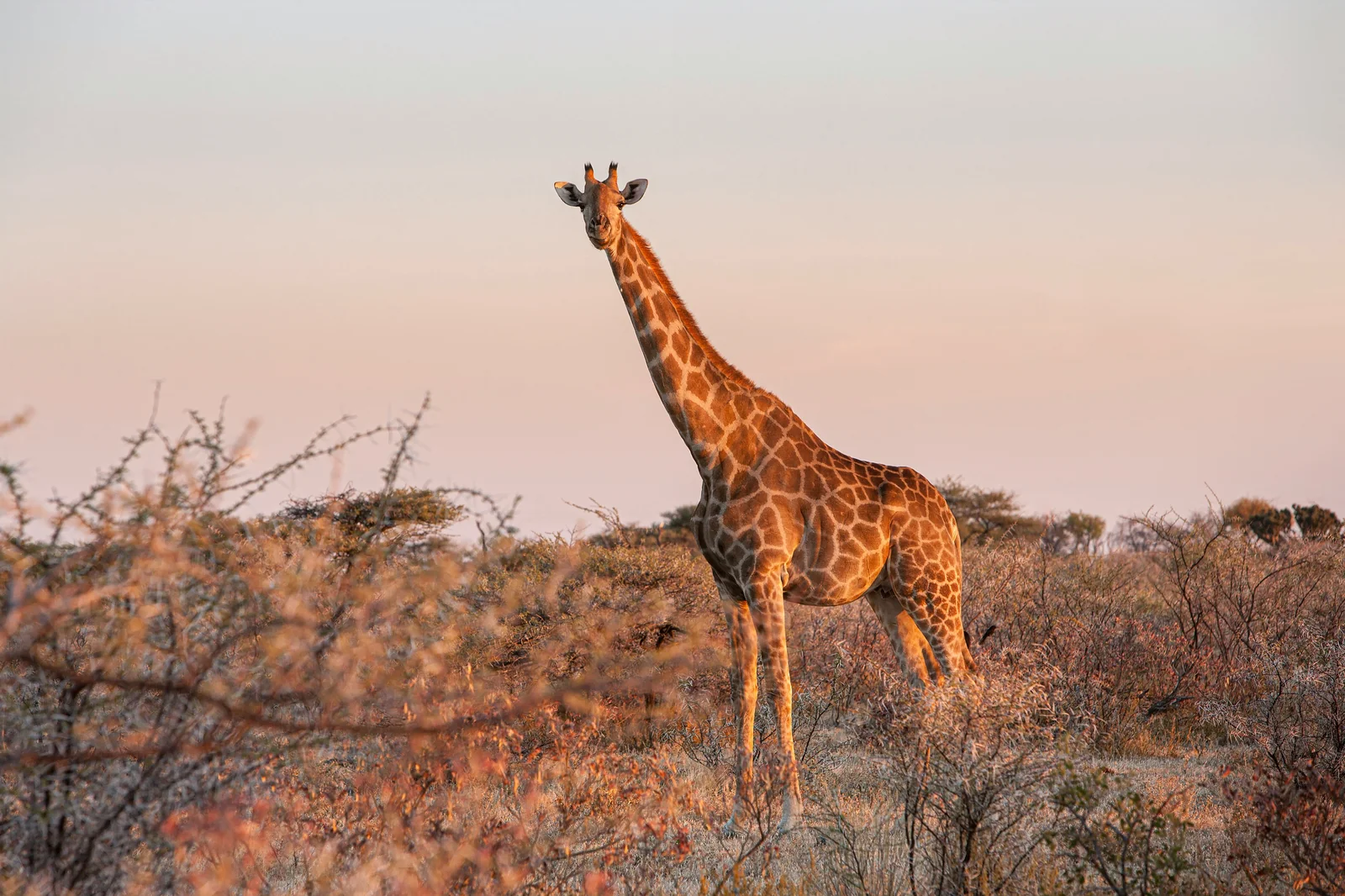
What weighs is time. Twelve years of project. One hundred and eighty hours of accumulated testimonies. Sixty-seven people who sat down to tell what they remembered about the giraffes of Kouré, the drought, the agreements with conservationists, the first calves born under community protection. Each recording has a metadata system that cross-references source, date, location, topic, and relationship with other testimonies. Ayana designed that system herself, after returning from a master's degree in Alexandria where she learned UNESCO standards for archive management.


