Big tracks
What stayed with him from that afternoon wasn't fear. It was curiosity. Jeong spent the rest of the summer looking for tracks on the village paths: deer, foxes, raccoon dogs, something that looked like a badger but that his grandmother identified as a raccoon dog. He drew the marks in a notebook with a pencil and compared them to a wildlife book Halmoni had on the hallway shelf, a Soviet manual with black-and-white illustrations and pages that smelled of old wardrobe. He got some right. He made up others a bit, and his grandmother corrected him without laughing.
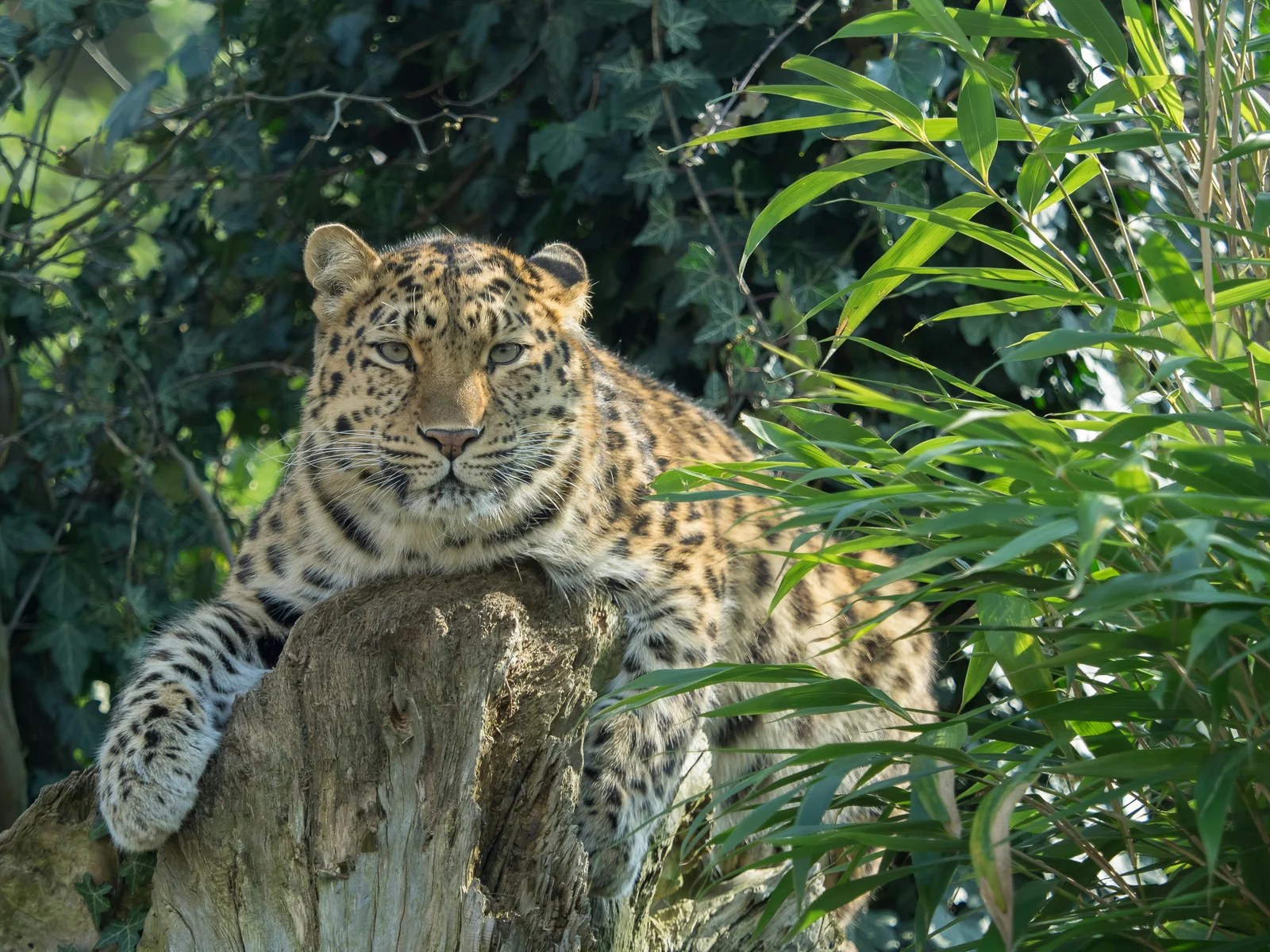
Today he's twenty-one and pilots environmental surveillance drones for Land of the Leopard National Park. He recognizes individual leopards by the pattern of their rosettes — every animal has a unique spot design, like fingerprints — and notes them in a handwritten notebook, without software, with a pencil he has to warm between his fingers every two minutes so the tip doesn't snap in the cold. But it all started with those tracks in the snow and a grandmother who knew when to stop and when to crouch down.
His friend [Benjamin](https://www.yagopartal.com/animal-kinhood/benjamin/), Arctic wolf, lives ten thousand kilometers away, in the Canadian Arctic. They met on an environmental monitoring forum and write to each other every two weeks: Benjamin sends long voice messages about the weather in Iqaluit, and Jeong answers with three sentences and a field photo. Ten thousand kilometers of distance and the same way of working: alone, in the cold, watching what others don't see.


