Waiting as method
There's a sound check at Le Molotov that sums up who Bruno is. The band has been waiting three minutes. The singer yells something from the stage — "is it ready or what?" — and Bruno doesn't even look up. His hands are on the desk and he doesn't move. He's listening to how the room responds that night, with those people, with that specific humidity in the air. He raises a finger. Waits two seconds. Brings a fader down, pushes another up. The stage comes to life.
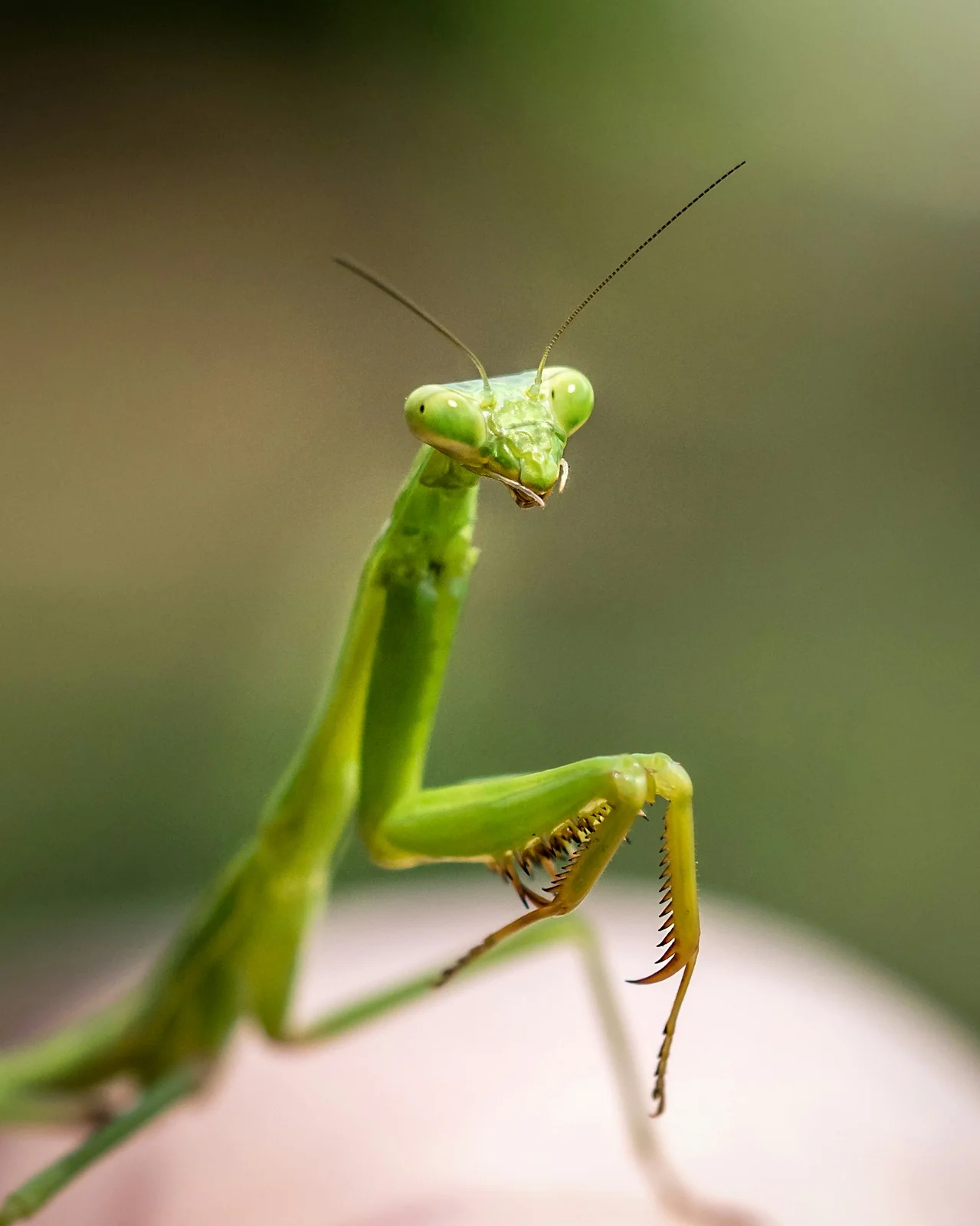
That patience has something of an ambush about it. The praying mantis in the wild can remain motionless for hours waiting for the exact moment to act. Bruno has transferred that quality to his craft without consciously deciding to. He learned as a kid, at age eight, that if he stayed absolutely still in his grandmother's garden, lizards would climb onto his feet. Forty minutes without moving. Stillness as a tool, and he's been using it since — at sound checks, in relationships, in the afternoons he spends sitting on the balcony of his Cours Julien apartment watching the street go by without needing to go down.
Le Molotov is where he did his first FOH mix at twenty-one. He arrived in Marseille at eighteen with a backpack and spent his first years loading gear and rolling cables for minimum wage. The band at that first mix was terrible. The sound was decent. Now, at twenty-seven, he chooses who he works with. Venues with good base acoustics, bands that respect the sound check, promoters who pay on time.


