The harmattan
Between November and March, the Sahel transforms. The harmattan — a dry wind that comes down from the Sahara — brings red dust that gets into everything: clothes, throats, window cracks, recorder contacts. The mornings are cold. Not cold the way they are in Europe, but cold for a place where most of the year the temperature doesn't drop below thirty. In Niamey, the harmattan shifts the schedules. People head out later. Meetings stretch out around improvised fires. Elders tell stories by the fire because the morning cold draws people together.
Ayana works with that calendar. During the harmattan, the trips to Kouré start later and the recording sessions happen inside houses, not in the courtyards. The red dust settles on everything and she cleans the recorder after each session. But it's also the season when the most stories are told, because people gather around the fire and the cold gives time to talk slowly.
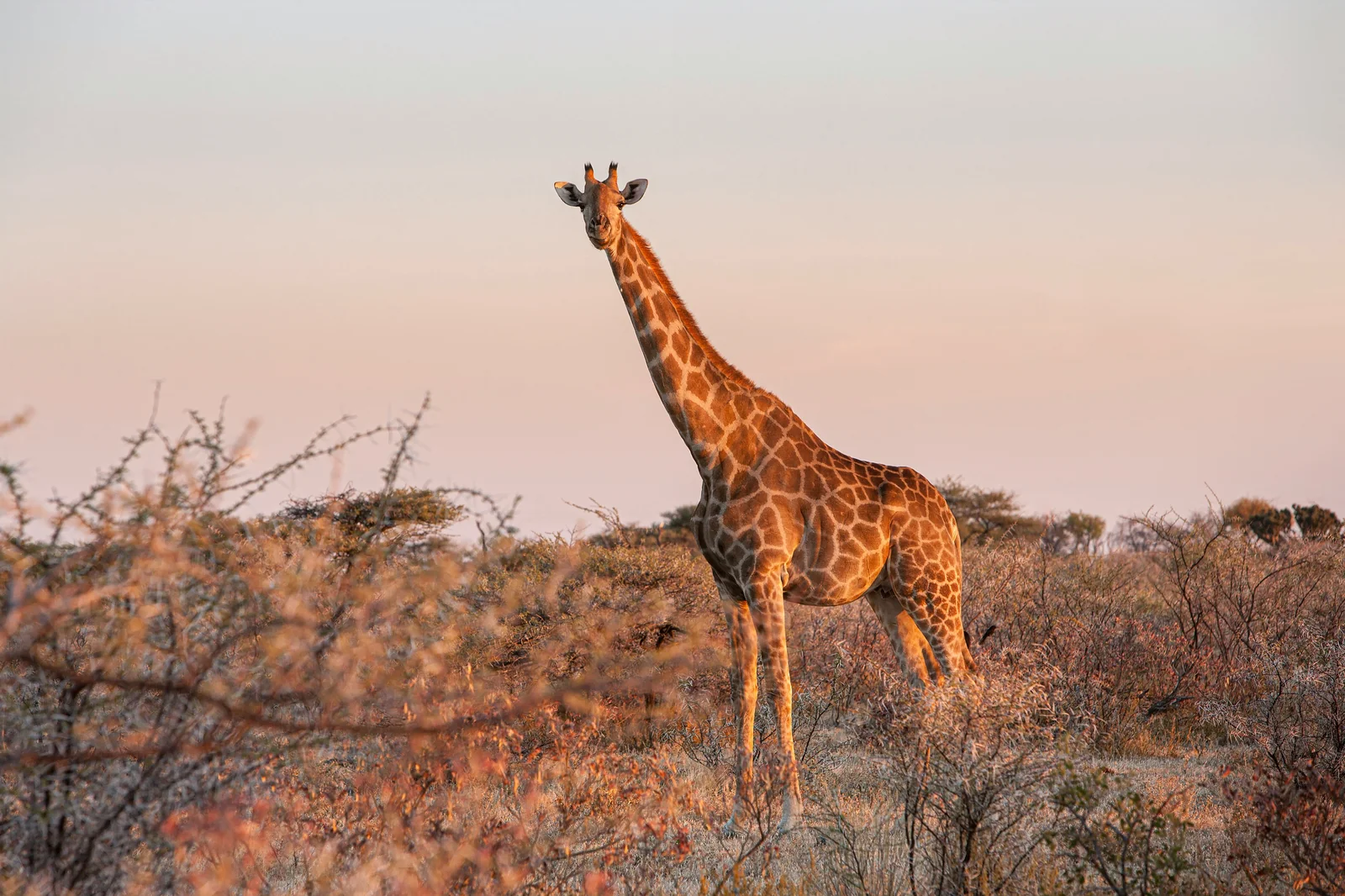
The elders of Kouré hold the stories of the giraffes: how they nearly disappeared, how the community agreed to protect them, how they came back to drink from the well. Those stories are passed on quietly, with pauses, wrapped in woodsmoke. Ayana switches on the recorder and waits. "Attends..." — wait — is what she says when someone gets ahead of themselves.


