
I
CAP · 01 / 02
The letter that crosses half the world
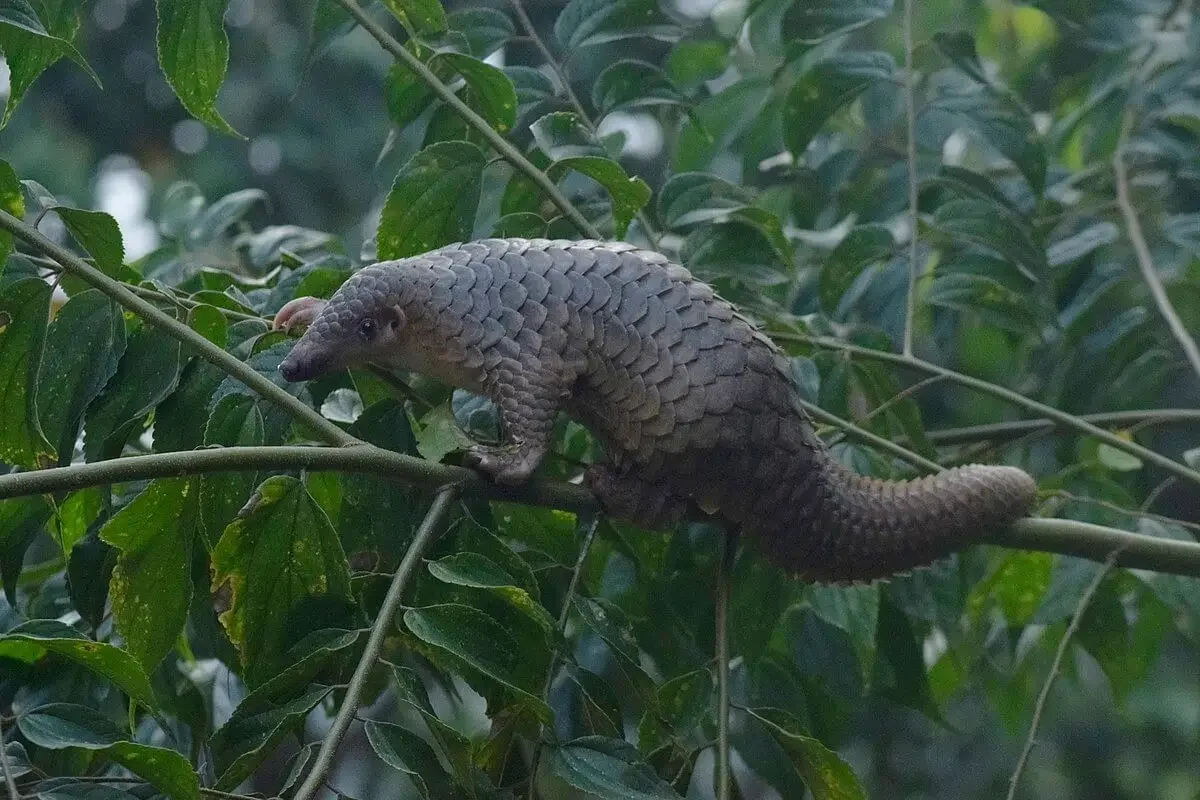
At school he was paired up to write letters with a boy in Maun, Botswana: Mansa, an elephant. Mansa sends him drawings; Nur writes back by slipping a flat stone into the envelope — his grandmother once had to explain at the post office that the stone was part of the letter. Once Mansa wrote that he looked like a pineapple with legs, and Nur laughed out loud on his own, a rare thing for him. The friendship with Mansa works precisely because there are eleven thousand kilometres between them and no one asks him to start the conversation. For him, distance is sometimes what makes affection possible.


