Voices
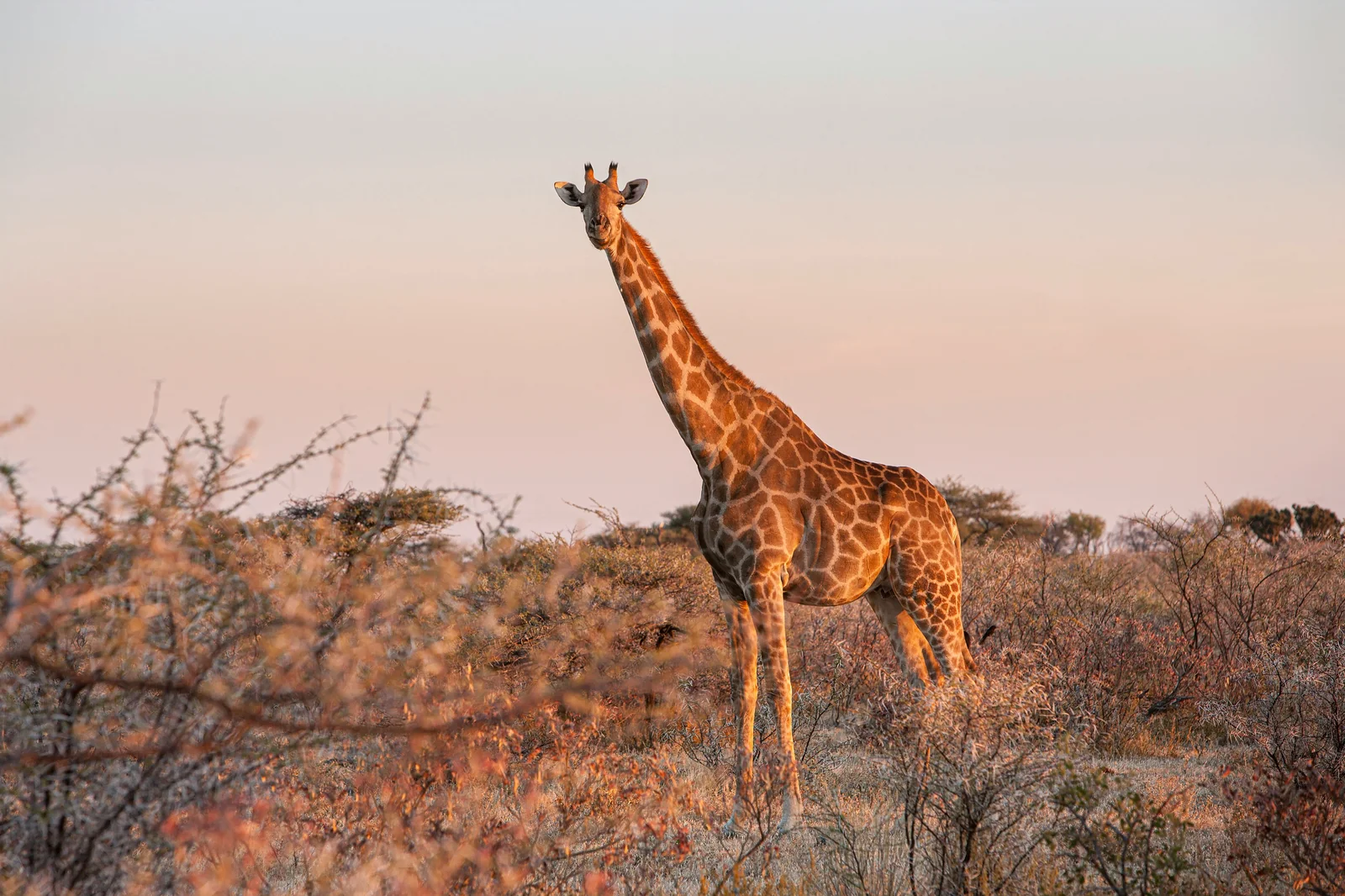
When Bibata started talking, Ayana knew she had to record without interrupting. Bibata was seventy at the time — she's seventy-eight today — and was a midwife from one of the communities of Kouré, sixty kilometers southeast of Niamey. She didn't speak French. She spoke Zarma and Fulfulde. Ayana interviewed her in Zarma, her own mother tongue, and what came out was the first complete account of how the giraffes came back to Kouré told from the perspective of the community's women. Not the biologists' version. Not the NGOs'. The grandmothers who saw the giraffes return to the well.
Bibata told the story of the drought, the hunting, the agreement between the community and the conservationists, the first calves born under community protection. She described how a young giraffe drank from the community well for the first time in years, and what that meant for the women who carried water every morning. When Ayana presented that recording at a conference in Ouagadougou, the audience went silent. Not out of politeness. It was the voice of someone who had witnessed something that almost no one documented at the time.
Twelve years of project. One hundred and eighty hours of testimonies. And Bibata's recording is still the piece that changes the expression of whoever hears it.


