
Two hundred
The bread technique comes from Koko, Mansa's paternal grandmother. Shona by origin, from Serowe, four hundred kilometers southeast. Koko knew which stones are good for sharpening, which for grinding, and which are simply beautiful. And she knew how to make sorghum bread in a cast-iron pot over coals: dough kneaded for twenty minutes, pot preheated, low heat. Keitumetse inherited the recipe and repeats it every Saturday with Mansa at her side.
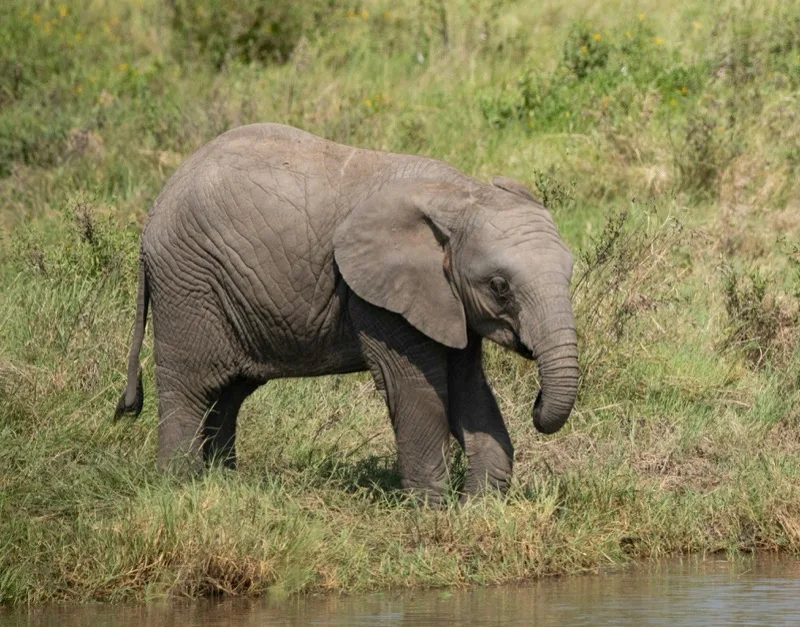
Mansa counts quietly as they knead. One, two, three. Up to two hundred. It isn't a whim: African elephants have a documented cognitive capacity for processing quantities. Mansa does it without knowing she does it by instinct and by memory. Counting is her way of measuring time. Of knowing the dough is ready without looking at a clock. Of staying focused while her hands — still a child's hands, small compared to her mother's — work the mixture against the table surface.
The cast-iron pot is the same one Koko used. It's heavy. Mansa can't lift it alone. Keitumetse sets it on the stove and Mansa tends the fire. The result doesn't always turn out right. Sometimes the crust is too thick, sometimes the center stays raw. It doesn't matter. What matters is that Saturdays smell of sorghum, of coals, and of her mother's hands.


