Twenty-one hours of light
Iceland in July has twenty-one hours of light. The sun drops but never quite sets. At ten at night the light is orange and long, and the Grandi dock has the quality of a place that can't quite decide to close. Alek works nine hours, eats a sandwich on the dock — the one he makes the night before, always dark bread, cheese, some cold meat —, then walks to the Vesturbæjarlaug pool, five minutes away. Not to swim. To the hot pot. Always the corner one on the left, where he meets a retired electrician who doesn't ask about work and a woman who works at a bookstore and reads on the edge of the tub. They talk about the weather. About the price of lamb. About whether the summer is running long or short. In the warm water with the north wind on his face, Alek talks more than he has all day.
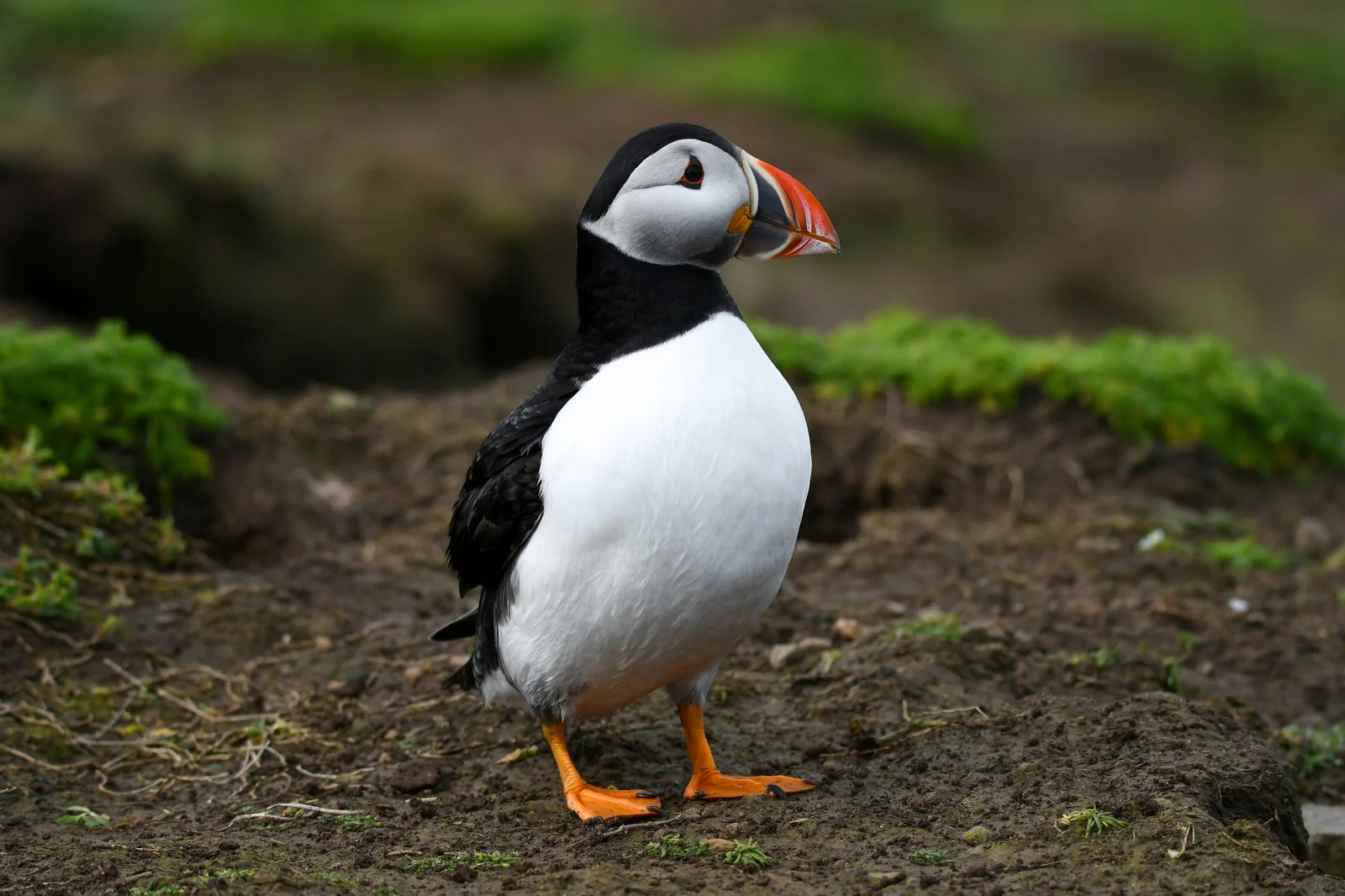
In January everything changes. The workshop closes at three because by three there's no useful light. Four hours of daylight in December. Alek has the whole afternoon ahead of him and doesn't know what to do with it. He cooks slow things — lamb stew, plokkfiskur, an Icelandic dish of flaked fish with potato and béchamel that his mother used to make in Heimaey —, listens to the marine VHF frequency even when he's not on watch duty, reads Yamaha and Mercury engine parts catalogs that others would consider recycling material. He doesn't turn on the television. It's not that he's sad. It's that he runs at a different register. Slower, denser, quieter. As if his body adjusts to the same cycle as the puffins that nested in the Heimaey cliffs six months earlier: colonial and loud in summer, solitary and pelagic in winter.
In March, when the days start stretching and the first boat of the season comes into Grandi for a hull check, something switches on again. Coffee goes back to five cups a day, tools appear laid out before anyone else arrives, and the kitchen window in the Vesturbær basement is back to slightly open even at ten below. [Alek](https://www.yagopartal.com/animal-kinhood/alek/) is a character of long rhythms, and the portrait catches him in his summer version: vivid colors, firm gaze, shoulders raised as if compensating for the wind. The striped sweater in yellow, white, and red is his seasonal plumage. In winter, all of that dims.


