
A portrait that listens
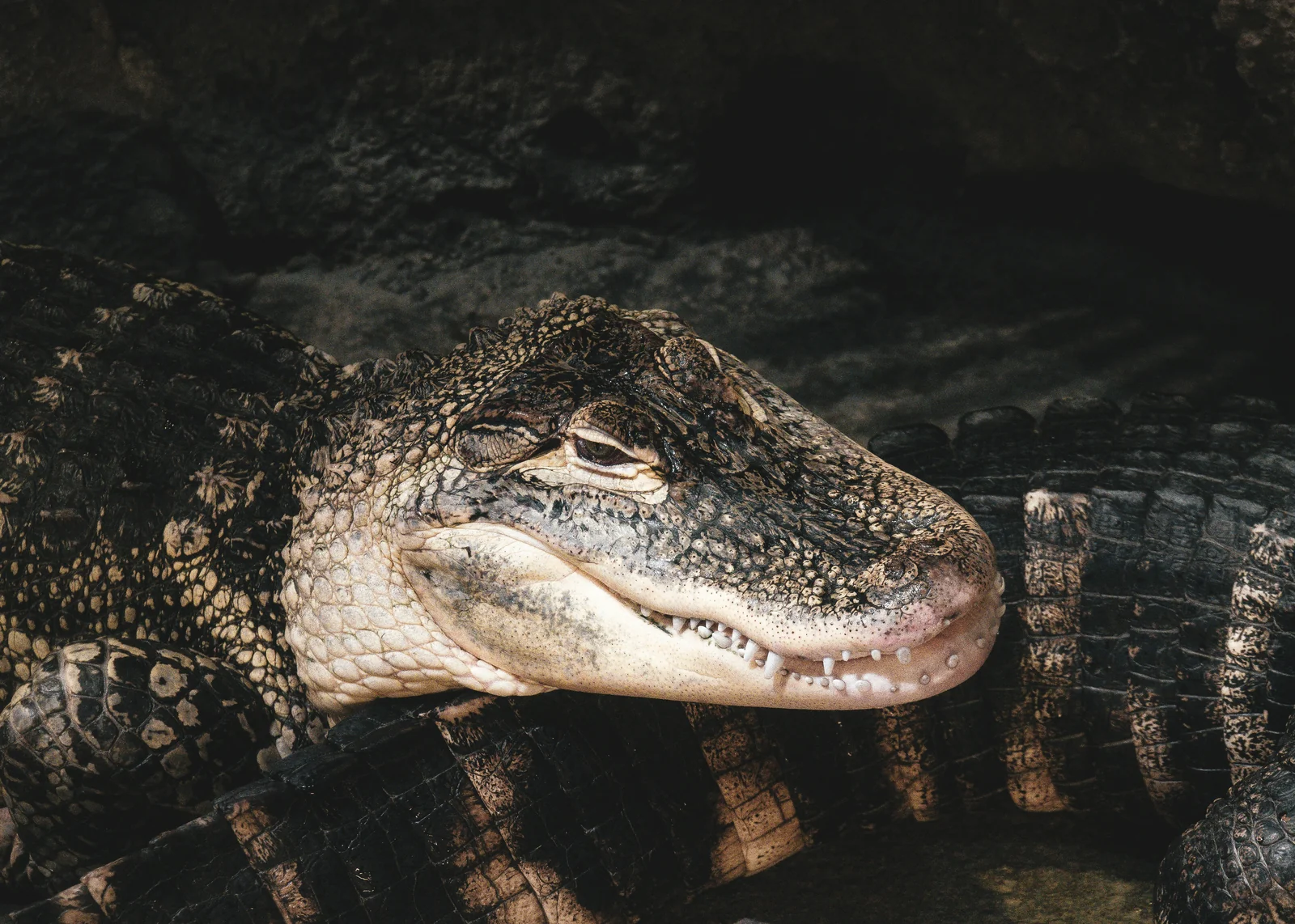
The matte poster of Yara enters a room the way she enters the main armchair in the studio: without leaning the body forward, without seeking attention, with the quietness of the black caiman that waits without growing impatient. It's eleven forty-seven at night somewhere in the portrait's inner time. Yara has spent forty minutes on the same second of a master and hasn't moved a fader. The matte paper holds that scene on the wall as if it were a photograph stolen from inside a mastering booth: the cream bomber open, the clean white ribbed-knit sweater, the thin gold chain falling silently on the neck, the gaze that doesn't smile for the camera because it doesn't need to.
Some prints shout. This portrait belongs to the other family. It works as a quiet archive that organizes the room around it, the same craft Yara practices at Estúdio Igapó when a band comes in with too much noise and she simply turns down the monitor until the silence weighs more than the conversation. Hung at home it does the same. People who walk in lower their voices before they know why. The black caiman portrait asks nothing, only holds, and the room settles.


