
Ee mma
In the yard at the Boseja public primary school, when there's trouble — who's first in line, who copied who, who said something nasty about someone's mother — the kids don't go to the teacher. They go to Mansa. She hears both sides. She doesn't interrupt. She thinks for a moment, sometimes a long one, and says something. The headteacher told her once that she was like a judge. Mansa touched her left ear — she does that when she doesn't know what to do with a compliment — and went back to her seat without replying.
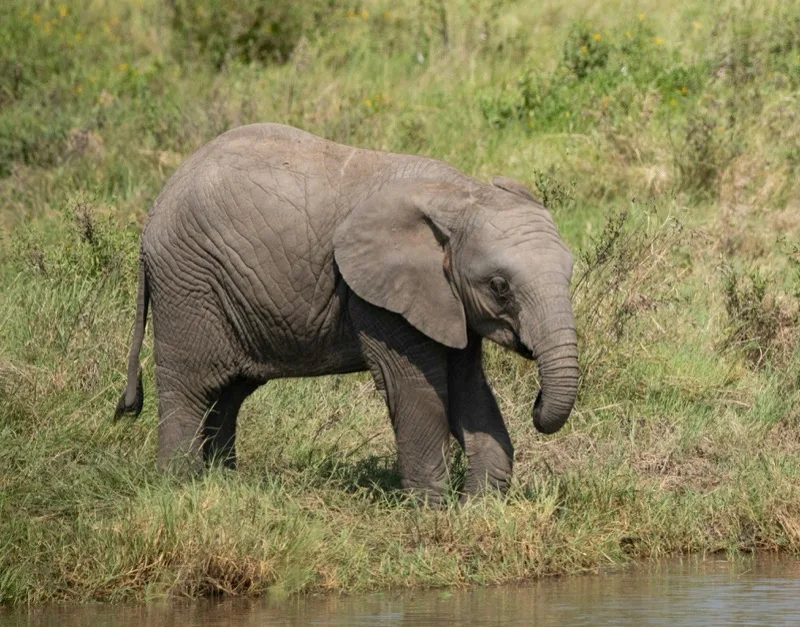
What Mansa does has a simple explanation: memory. African bush elephants have a hippocampus that doesn't forget: conversations, faces, promises, dates. Mansa remembers who started the fight from last week, what each person said, and whether anyone apologized. That gives her a huge advantage when she mediates: she doesn't need the long version because she already has it. And the kids know it. So they don't lie to her — or at least not twice.
Her friend Bontle is the one who relies on her most, though not for her own disputes. Bontle speaks for both of them: she's the one who drags Mansa out to play when Mansa would rather keep reading, who negotiates with other groups in the yard, who says out loud what Mansa is only thinking. They fight and make up every week, sometimes in the same break. But there's one thing that never fails: when Bontle hasn't brought lunch — it happens sometimes — Mansa takes the extra sandwich out of her bag. Sorghum bread and peanuts. She splits it in half without a word and gives Bontle the bigger half. She doesn't announce it. She doesn't wait to be thanked. She does it because food isn't wasted and because if someone doesn't have any, you share. That simple.


