Into the oak scrubland
Fernando's workshop is three kilometers from Trujillo, at the edge of the oak scrubland. The scrubland begins where the track ends: holm oaks within arm's reach when you step out the door. Scattered holm oaks, pastureland turning yellow in August, dry-stone walls, granite water troughs that have been there longer than any neighbor. The smell of wild rosemary grows at the workshop entrance. And when the pressure builds — because it does build —, Fernando pulls on his boots and walks eight or ten kilometers toward the Sierra de Santa Cruz, no phone and no fixed destination.
There's a specific holm oak four kilometers from the workshop. It has a hollow trunk. Fernando has sat there since he was eight years old. Nobody else knows about that spot, except one person. The hollow is big enough to sit with your back against the wood. He doesn't do anything special: he stays still until something that was tight loosens up.
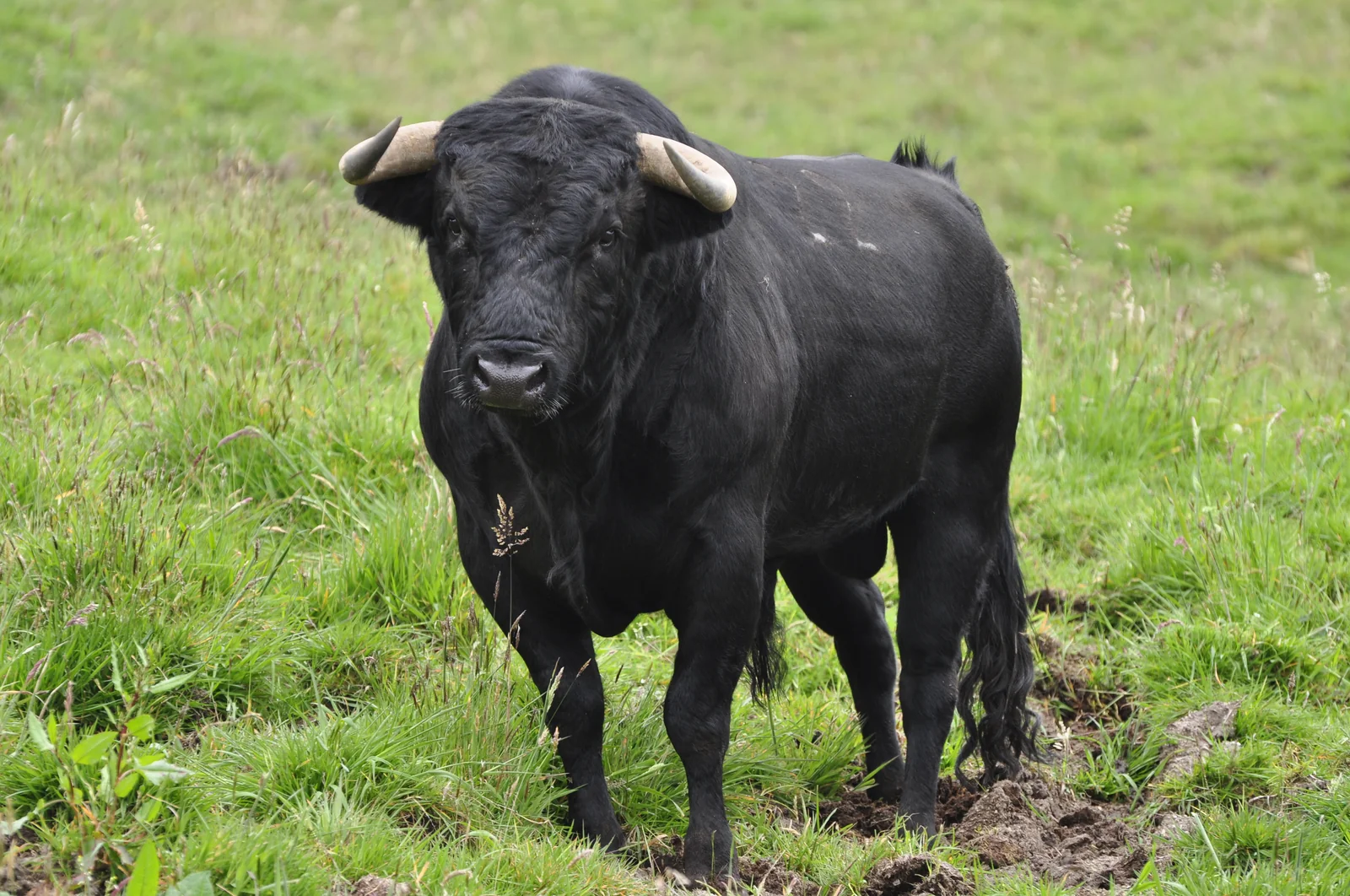
The oak scrubland of Extremadura is an ecosystem where holm oaks grow apart from each other, livestock grazes in stretches measured in hectares and the silence has a specific texture: cicadas in summer, wind through dry branches in winter, a distant cowbell. Lynxes, imperial eagles, bulls with black coats that Fernando watches on his walks live there. Always from a distance.


