A cardboard box in August
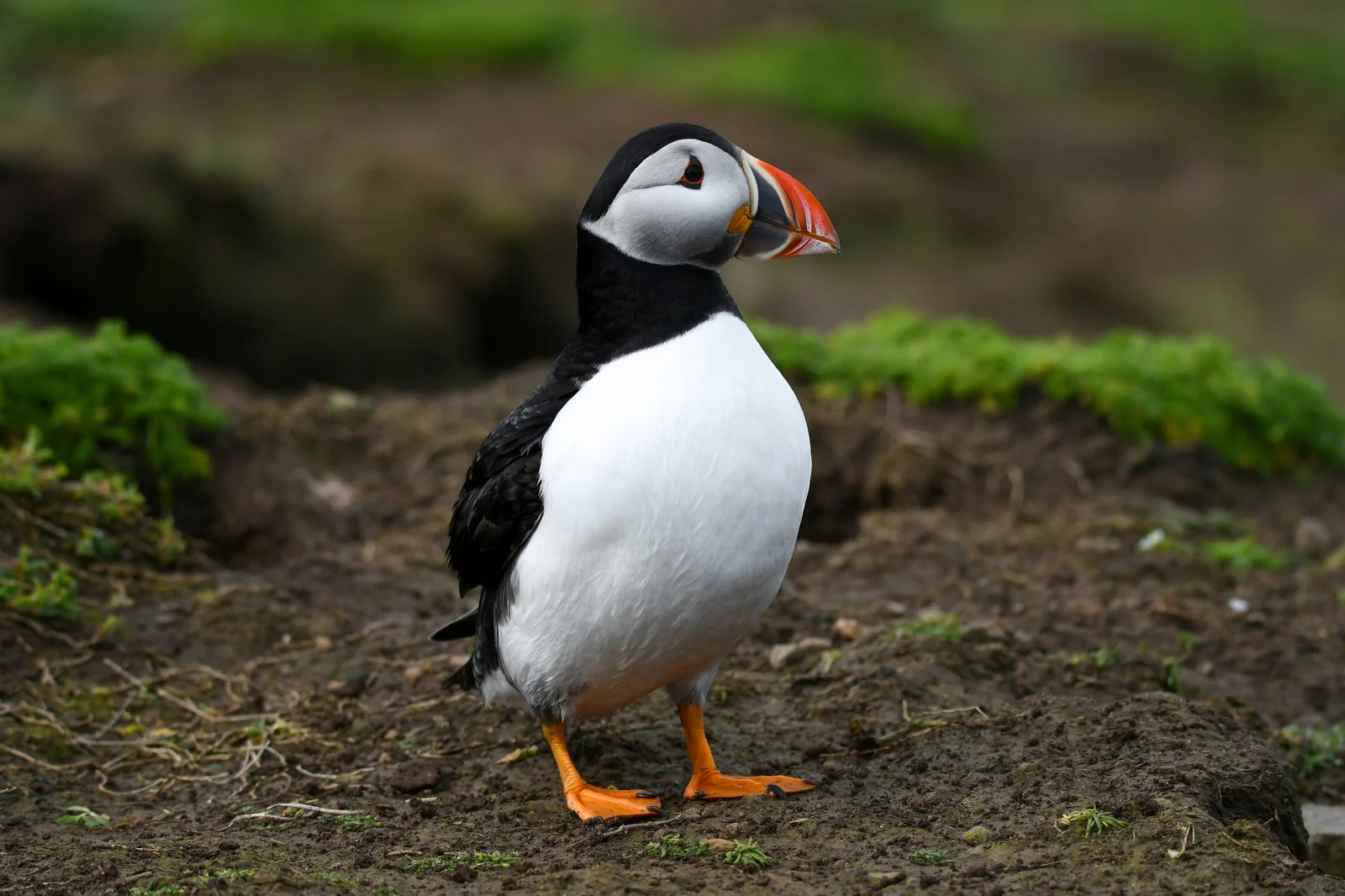
In Heimaey, an island of four and a half thousand people off the south coast of Iceland, kids do something in August that happens nowhere else in the world. They go out at night with cardboard boxes to collect puffin chicks. The chicks leave their burrow alone in the dark, guided by the reflection of the moon on the sea. But the town lights disorient them and they end up in the streets, under cars, in gardens. The kids collect them, take them to the rescue center to be weighed, and the next day throw them off the cliffs toward the water. It's called *slyngja lunda* — throwing the puffin. It's not a game: it's the only way to give them the momentum to fly, because puffin wings are so short they can't take off from flat ground.
Alek did it every August from the age of eight. He went out with his box and his flashlight, without talking much, without competing over who found the most chicks. He did it with the same seriousness his father put into mooring knots. What the Puffling Patrol taught him wasn't zoology: it was that sometimes someone needs a push to get where they were already going, and that push can come from a kid with a cardboard box.
That story lands with kids. Not because it's beautiful — though it is — but because it's real and concrete. An animal that can't take off from the ground. A kid who picks it up. A cliff. The sea. There's no metaphor to build: the image is already complete. The kids of Heimaey don't do the Puffling Patrol to protect nature in the abstract: they do it because in August the chicks appear at their front door and someone has to take care of it. It's proximity responsibility, not a slogan. The chick weighs less than a fist, has damp down and eyes too big for its face. When you throw it from the cliff and watch it drop three seconds before opening its wings and gliding toward the water, you know that was you.


