What I print is all there will ever be.
Layers of time,
not captures.
I've tried to tell the story of Otto a few times. None convinced me. The first versions started too tidy, as if the process had been a clean decision. It wasn't.
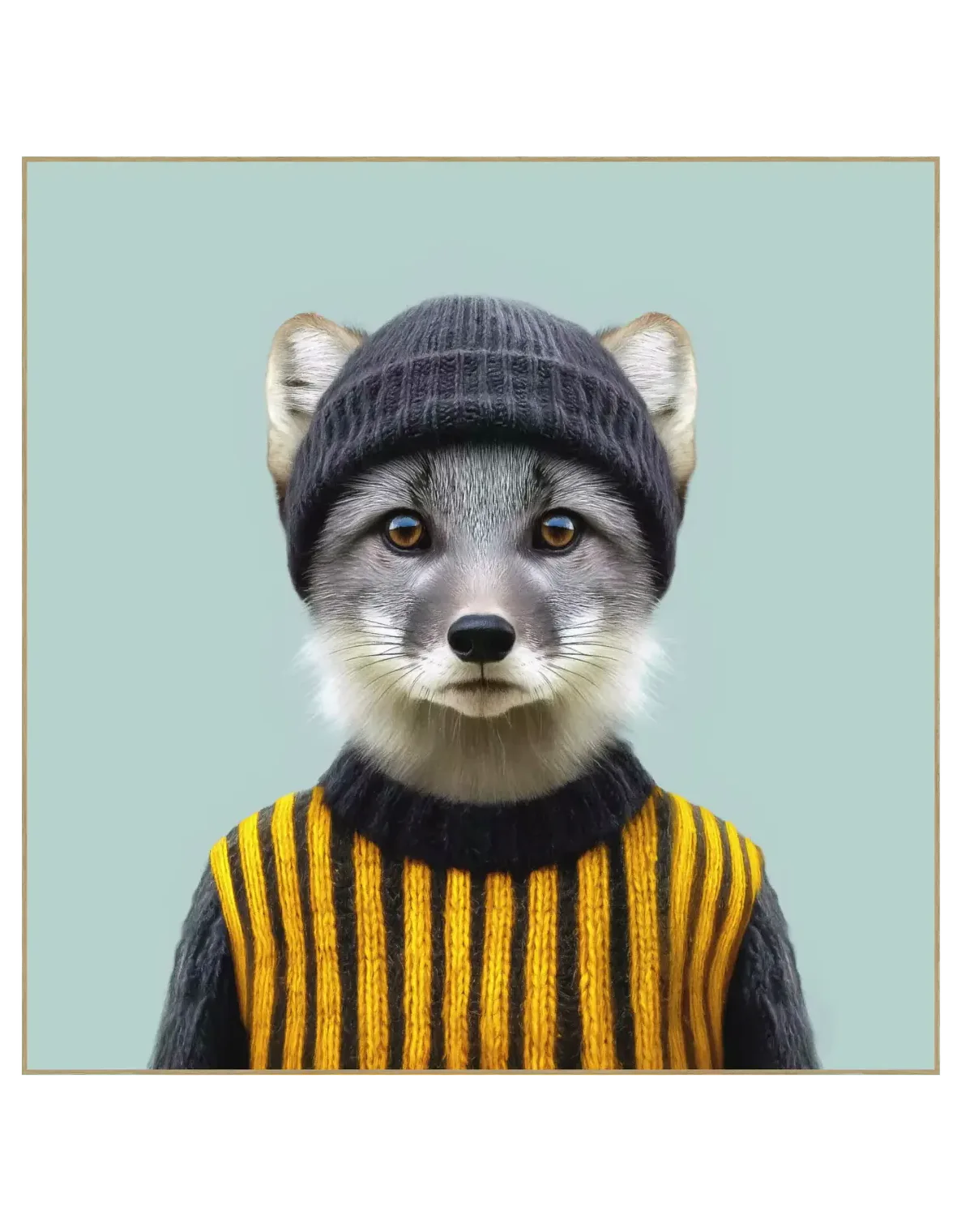
What I do know: it always starts with research. I look for photos of the animal head-on, read how it lives, understand what really sets it apart. With the arctic fox I found plenty of material — and at some point, looking at references and building the character in Photoshop from fragments, the collage stopped being a collage. It started being someone. That's what I care about happening. Not the technical moment when everything fits, but that other moment when the character seems to have a past.
With Otto that moment arrived through northern Norway. Kvaløya, the processing plant, the cold room at twenty below where you work as if it were an ordinary office. The routine of getting up at 3:15 without being told. And the lunchboxes — a veteran from Kirkenes who left soup in Otto's locker without saying anything, during the hardest stretch, when Ragnhild had just died. Otto took two weeks to respond: a packet of biscuits in the other's locker. From then on, like that. That model of caring without words, leaving something and waiting for the other to find it, struck me as exactly the gesture Otto had to be wearing.
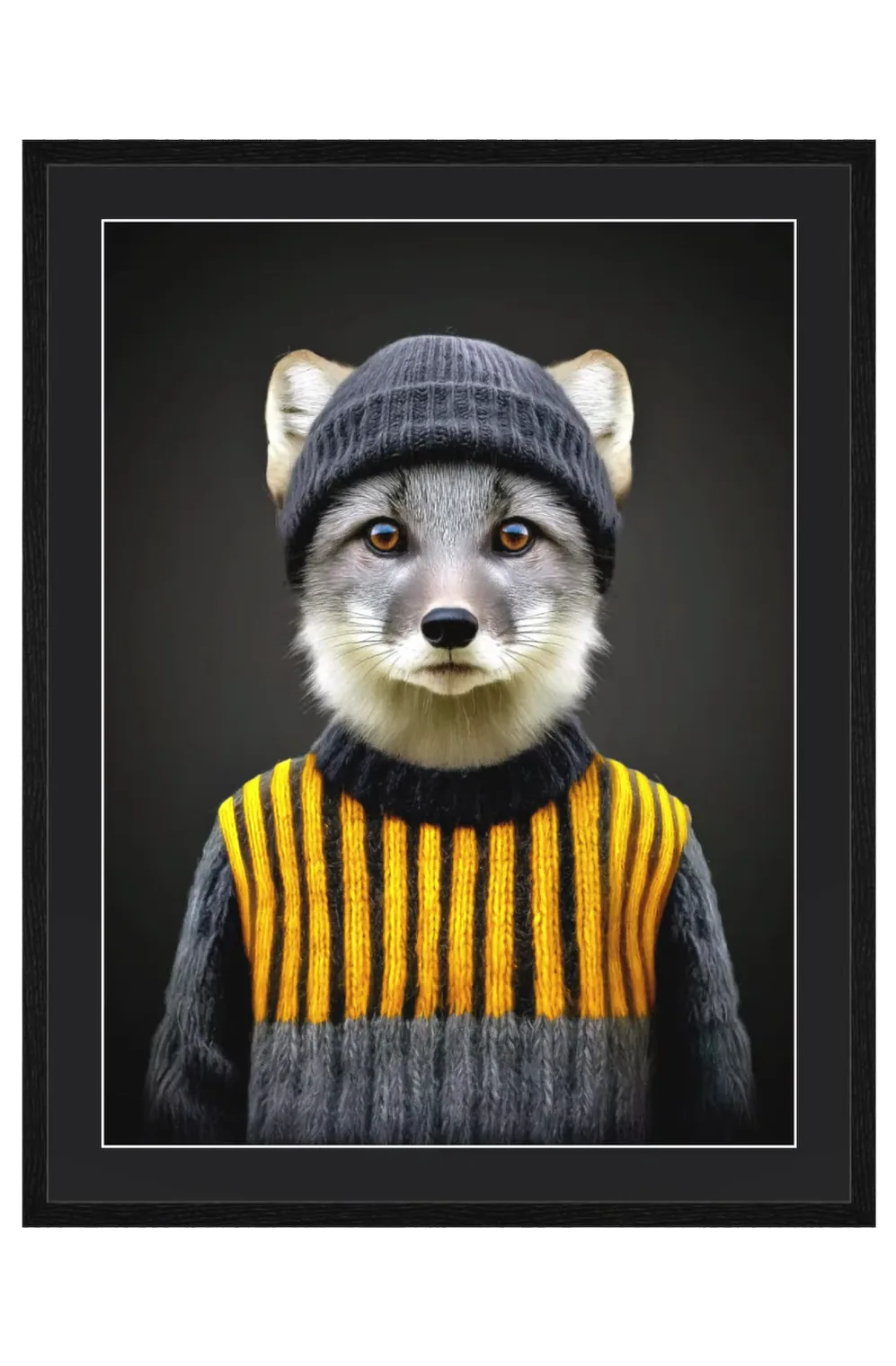
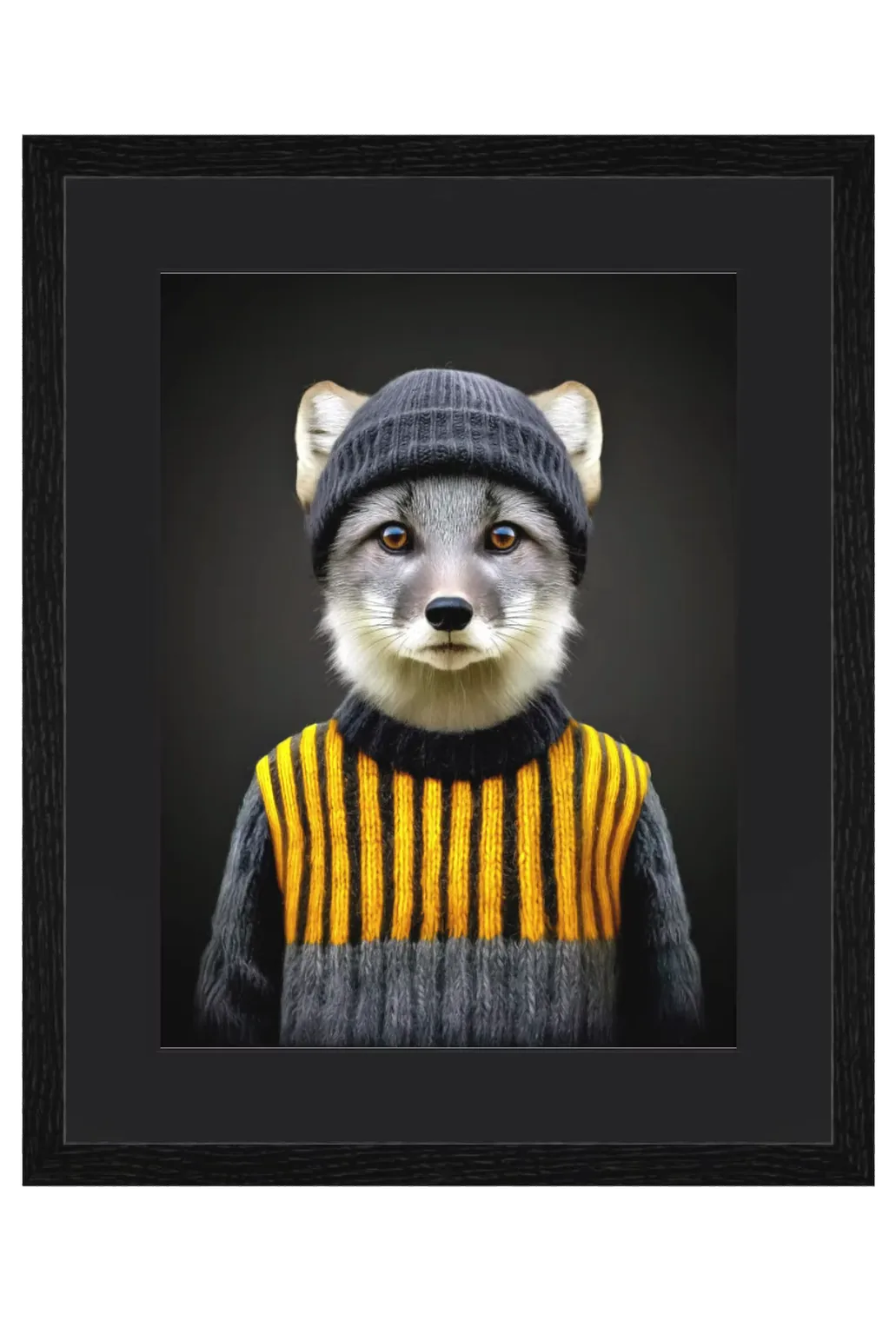
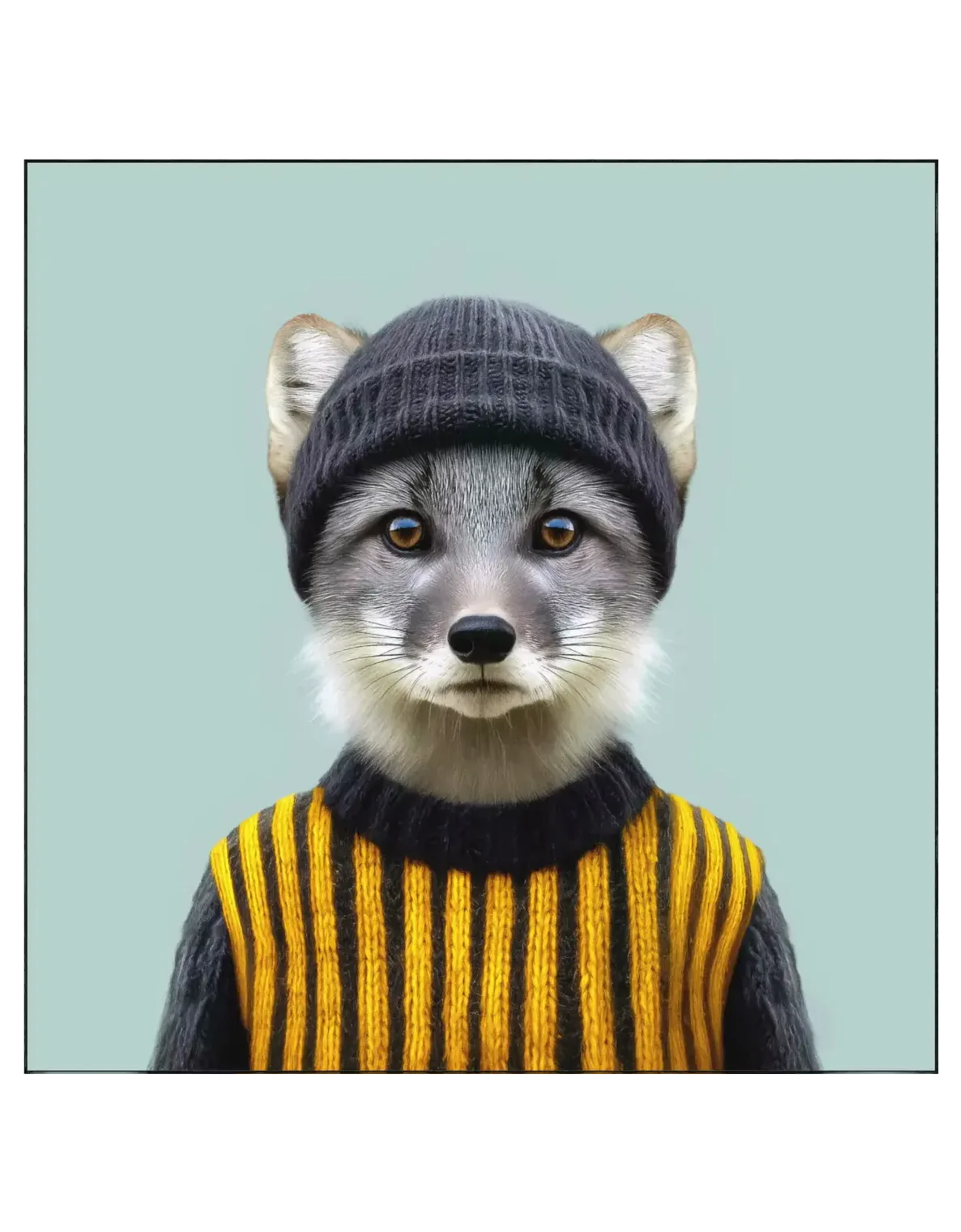
The thick knit sweater with navy and mustard stripes came later. Wardrobe is always last — it arrives when I already know who the person is, not before. The navy docker hat too. I didn't pick them for visual whim. The process is closer to recognising than to designing.
This edition at 120 × 120 is the largest size in Drop 01. 10 copies in a pool shared across four finishes — matte acrylic, artbox oak, artbox black, artbox white — photographic copy Fuji Crystal Archive DP II · acrílico mate. At this scale Otto stops being a portrait you hang and becomes a presence that organises the whole room. The square keeps being square, but the size changes the contract: it's no longer the piece you glance at, it's the piece that decides how the rest get looked at.
How it is made,
up close.
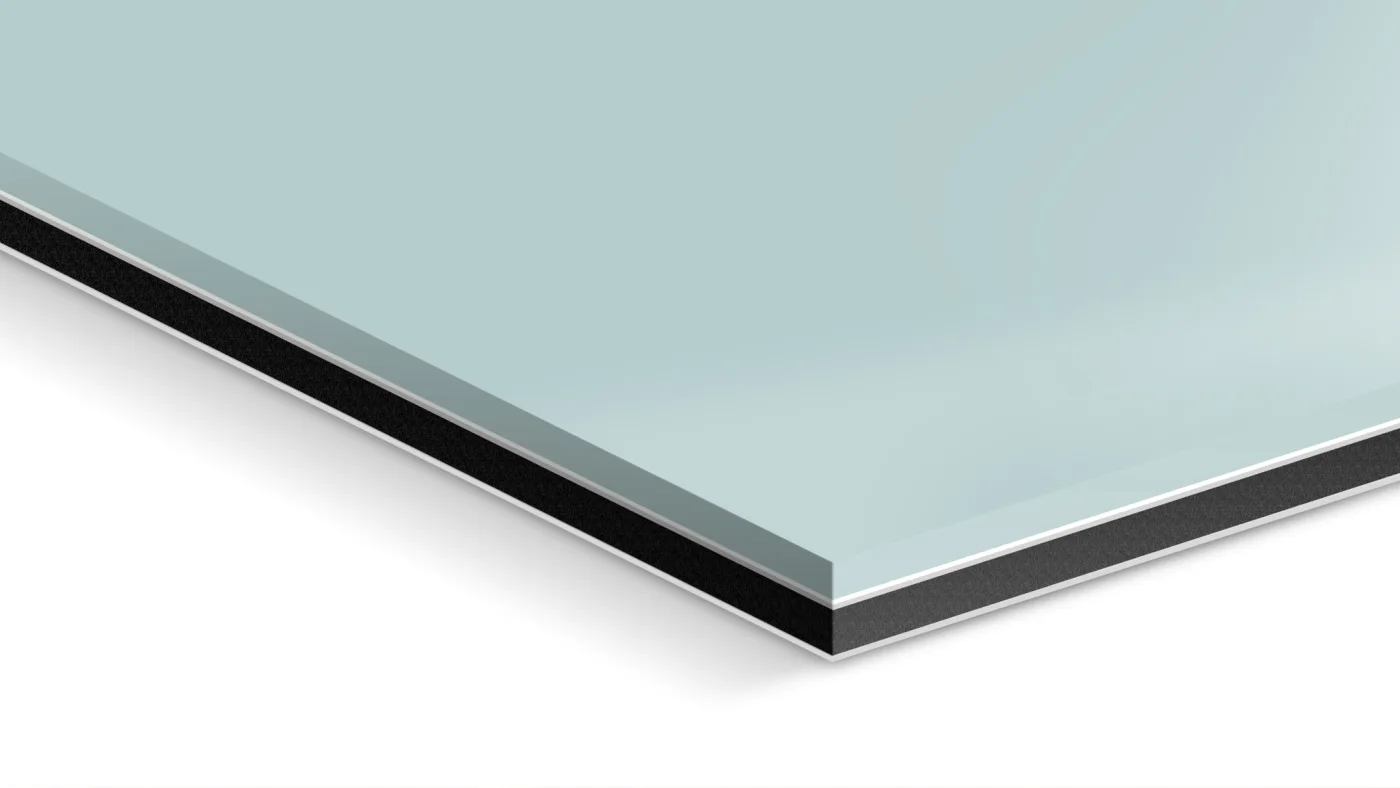
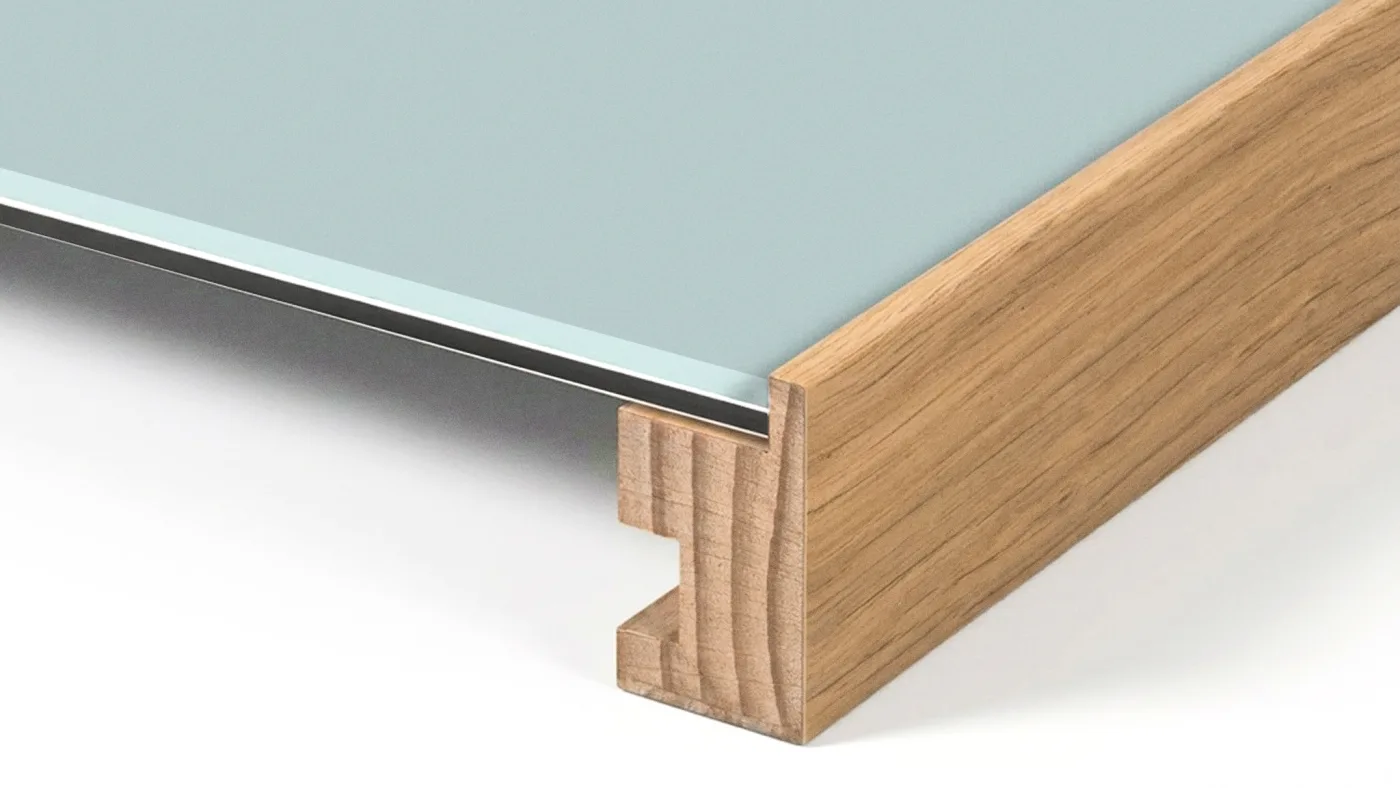
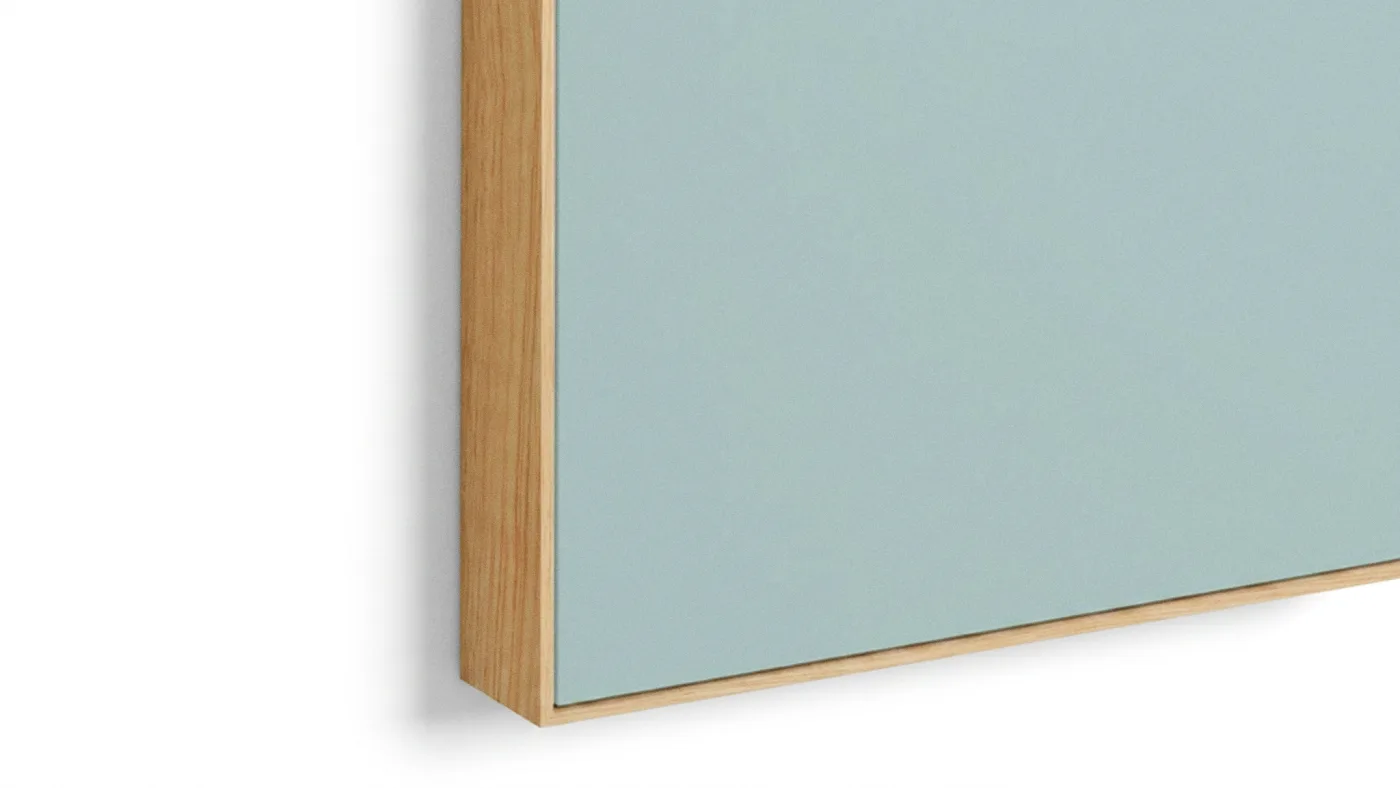
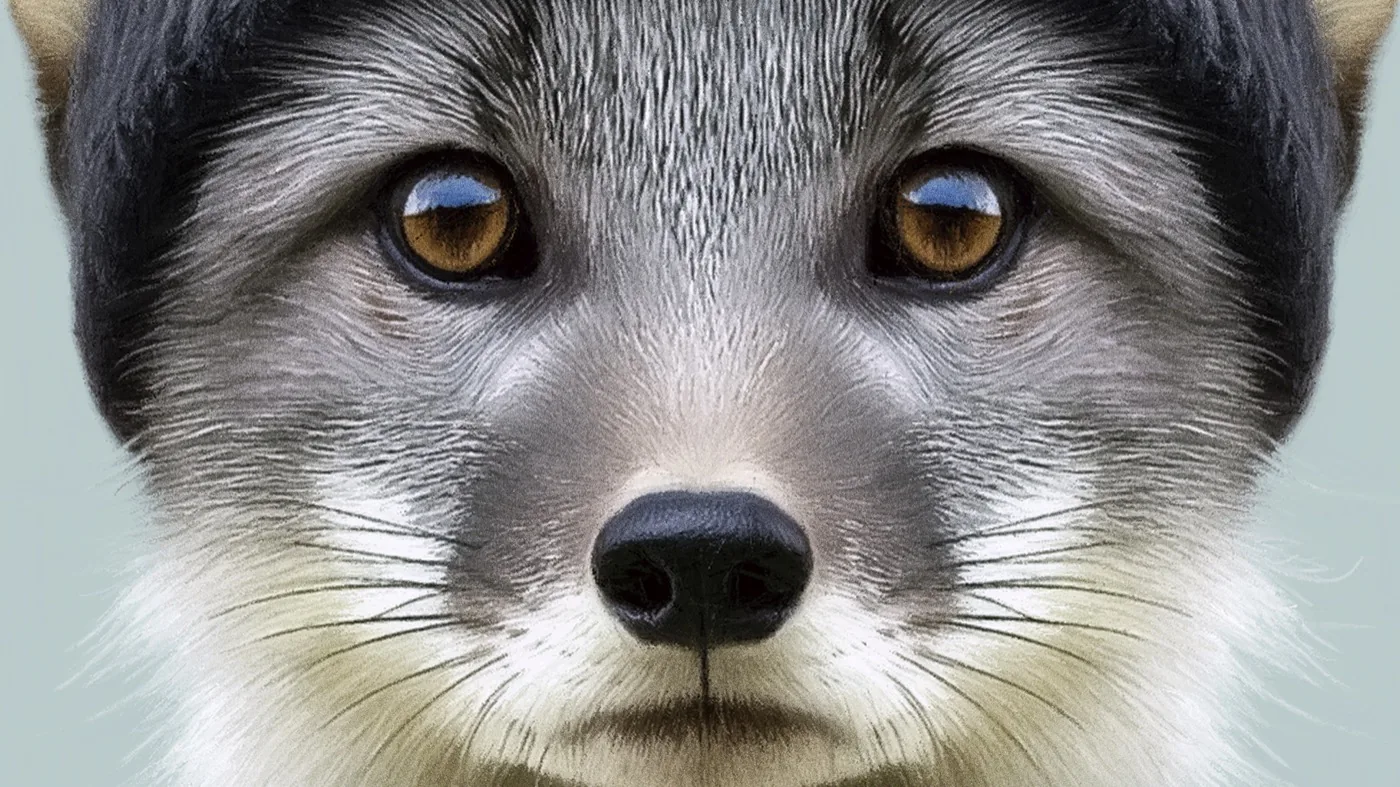
Four entries
in the registry.
Three concurrent layers.
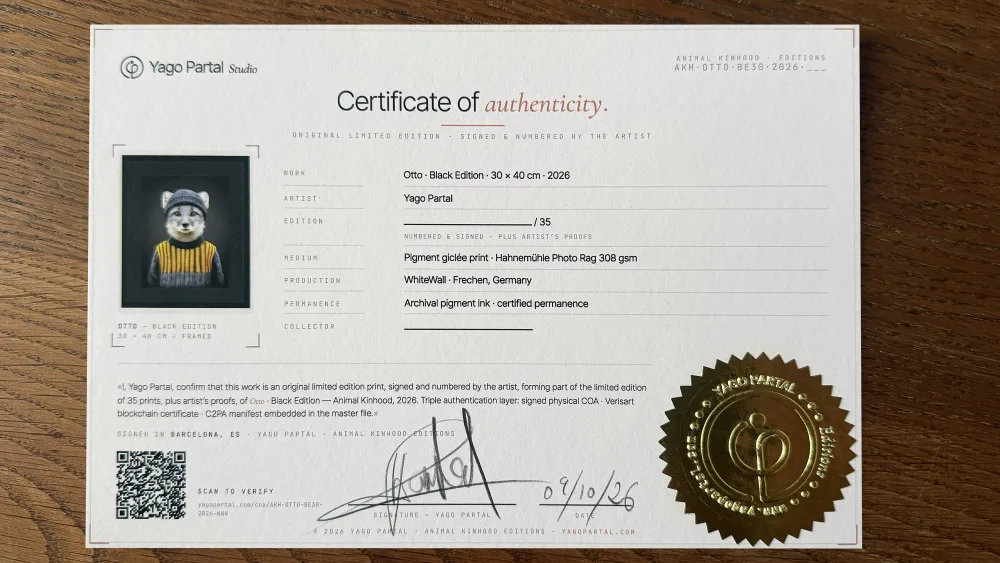
Every piece arrives with all three authentications at once. The print leaves Frechen unsigned — the hand-signed signature reaches the collector on the COA card with the shipment.
- i
Verisart · blockchain
Authorship record inscribed on blockchain with Bitcoin OpenTimestamps. Ownership transferable on the same chain, without intermediaries.
- ii
C2PA · file manifest
Authorship, process and chain-of-custody metadata embedded in the print file, readable by any C2PA-compatible viewer. Compliant with EU AI Act art. 50.
- iii
COA · signed card
Hahnemühle Photo Rag textured cardstock, handwritten numbering and a QR code that resolves verification. The signature lives on the card, the print stays clean.
The archive
behind the object.
- Nº 01Edition
- XL · acrílico mate120 × 120 cm
- Nº 02Support
- Fuji DP II+ matte acrylic · 2 mm
- Nº 03Run
- 10 copiespool · 4 finishes
- Nº 04Production
- WhiteWallFrechen · DE
- Nº 05Registry
- Signed COAVerisart · C2PA
- Nº 06Release
- July · 2026one single date
Once closed, it never reopens. This sheet remains the only permanent technical record.
Where it is inscribed,
where it comes from.
Ownership transfers
on the same chain.
Part of Yago Partal's body of work, published by teNeues (2017) and exhibited at the Chimei Museum in Tainan. Each piece in this edition is an original work, numbered — not a catalogue reproduction.
Every copy of the edition is registered with Verisart with a Bitcoin OpenTimestamps timestamp the same day it is produced in Frechen. Ownership transfers on the same chain: when the piece changes hands, the new collector is recorded without intermediaries and the full history stays consultable.
The C2PA manifest embedded in the print file accompanies the object for its entire life: authorship, process, lab and edition number travel inside the file itself, readable by any compatible viewer.
10 copies. It is the size at which Otto stops being something you look at and becomes something you are close to.